01
RESEARCH & ANALYSIS
At the start of this week, I aimed to identify chocolate brands that compete directly with Twix, in order to examine how they reach their target audiences through core messaging.
Key competitors to Twix include Snickers, KitKat, and Milky Way, all popular chocolate bars targeting snackers with caramel or wafer elements.
SNICKERS - MARKETING STRATEGY
Source
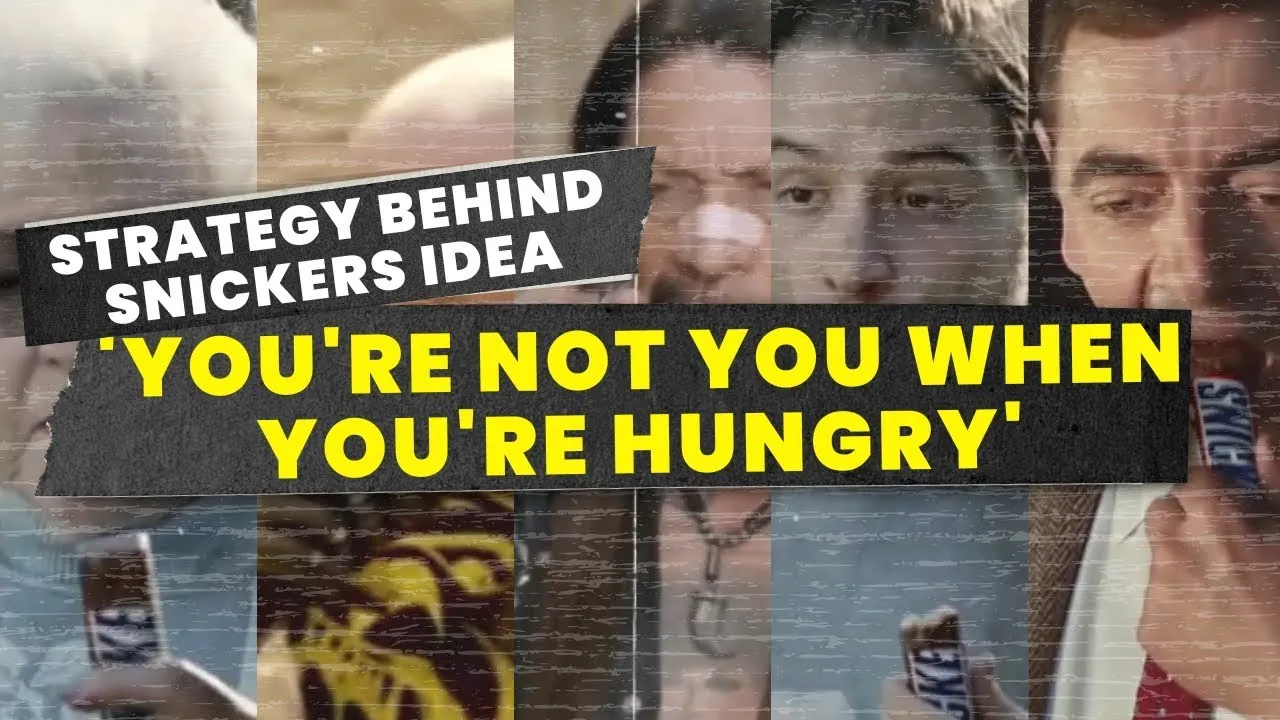
/Strategy Behind Snickers Idea 'You're Not You When You're Hungry' (Strategy Tips - Julian Cole)
Keywords
/marketing strategy
The video analyzes the strategy behind Snickers' iconic campaign. Julian Cole explains that the campaign's success lies in its templated structure, which allows the brand to remain consistent yet fresh by easily replicating the formula across different global markets and diverse media platforms.
*The Concept of
the "Long Idea"
Balancing Act: Snickers achieved the difficult task of staying consistent while remaining relevant over a long period.
Timeless & Timely: A "Long Idea" allows a brand to be permanent in its core message but flexible enough to adapt to current trends or local cultures.
✍️ A strong “long idea” keeps a brand consistent over time while remaining flexible enough to stay culturally relevant.
*The Power of
the Template
Replicability: The original 2010 Super Bowl ad (featuring Betty White) established a clear, repeatable formula: Someone acts out of character due to hunger -> They eat a Snickers -> They return to normal.
Global Scalability: Because the structure is "templated," it is easy for local markets (like Australia) to adapt the ad with their own celebrities or cultural nuances without losing the brand's soul.
✍️ A strong template enables consistent storytelling that is easy to repeat and adapt across cultures without losing brand meaning.
*Rooted in
Product Benefit
Functional + Emotional: The creative insight is built directly on the functional benefit of the product (it satisfies hunger).
Brand Consistency: Julian Cole notes that "Great brands find new ways to repeat themselves." By repeating this core idea, the brand stays fresh without confusing the consumer.
✍️ Grounding ideas in real product benefits helps maintain brand clarity and long-term credibility.
*Trans Media Execution
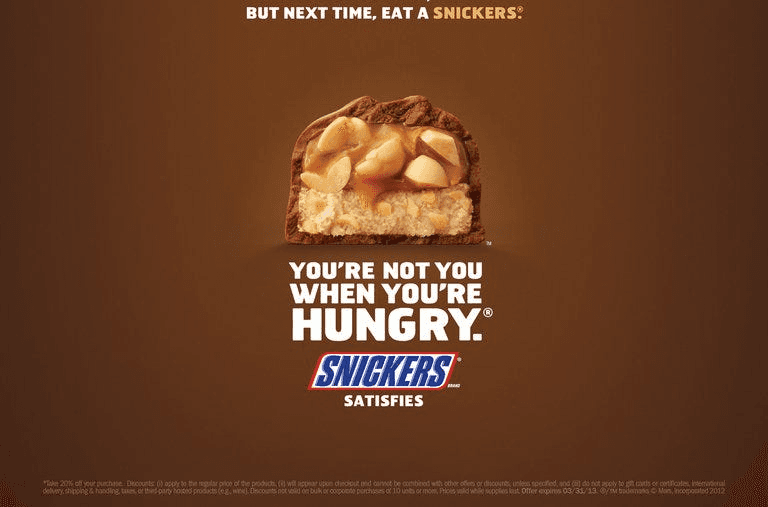
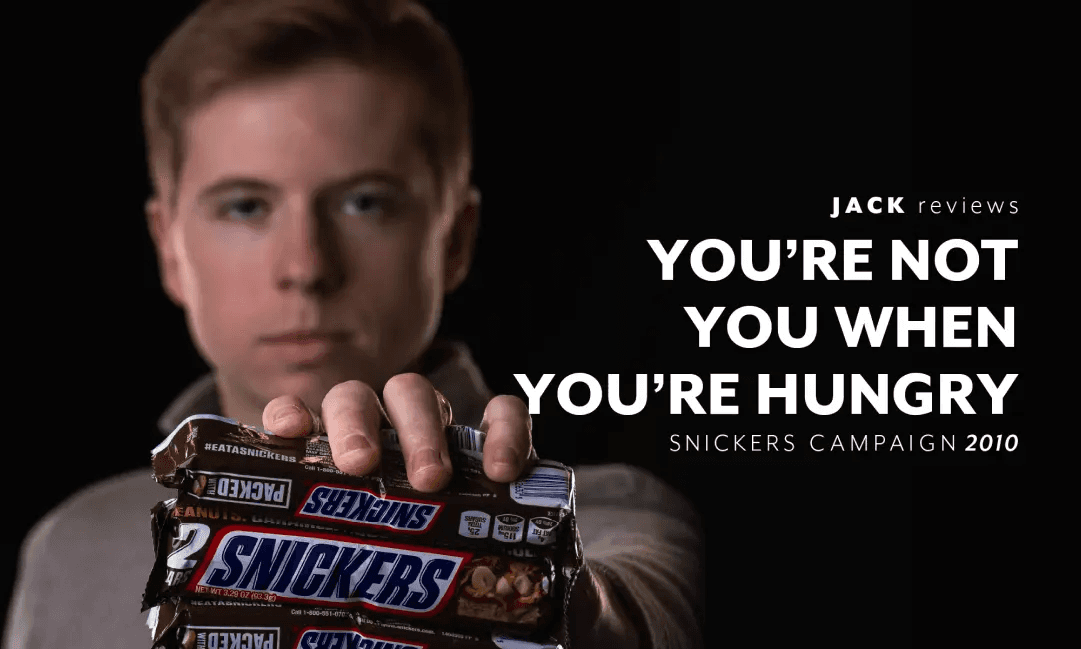
Print Ads: Visualizing the transformation.
Search Ads: Targeting people who make typos on Google (implying they are too hungry to type correctly).
Retail/Digital Activations: For example, dynamic pricing where the price of a Snickers changed based on "how angry the internet was" at that moment.
✍️ Transmedia executions increase reach and recall, but risk dilution if the core idea is not tightly controlled.
*Building Mental
Availability
Strategic Goal: Every execution strengthens the Brand Platform. This builds "Mental Availability," ensuring Snickers is the first brand people think of when they are hungry.
Industry Examples: This strategy is similar to other famous long-term platforms like Specsavers’ "Should’ve gone to Specsavers" or UberEats’ "Tonight I’ll be eating."
✍️ Repeated, consistent executions build mental availability, making the brand the default choice in relevant moments.
KITKAT - MARKETING STRATEGY
Source
/KitKat Case Study | How 'Have a Break' Became a Billion-Dollar Global Slogan 🍫🌍 (Brand Decoded)
Keywords
/marketing strategy
/case study
The video illustrates how KitKat became a global phenomenon by balancing unwavering consistency with bold innovation. Through a combination of iconic product design, sustainable evolution, and a slogan that has survived over six decades, KitKat has built a "Long Idea" that remains as relevant today as it was in the 1950s.
*The Power of a Universal Platform ("Have a Break")
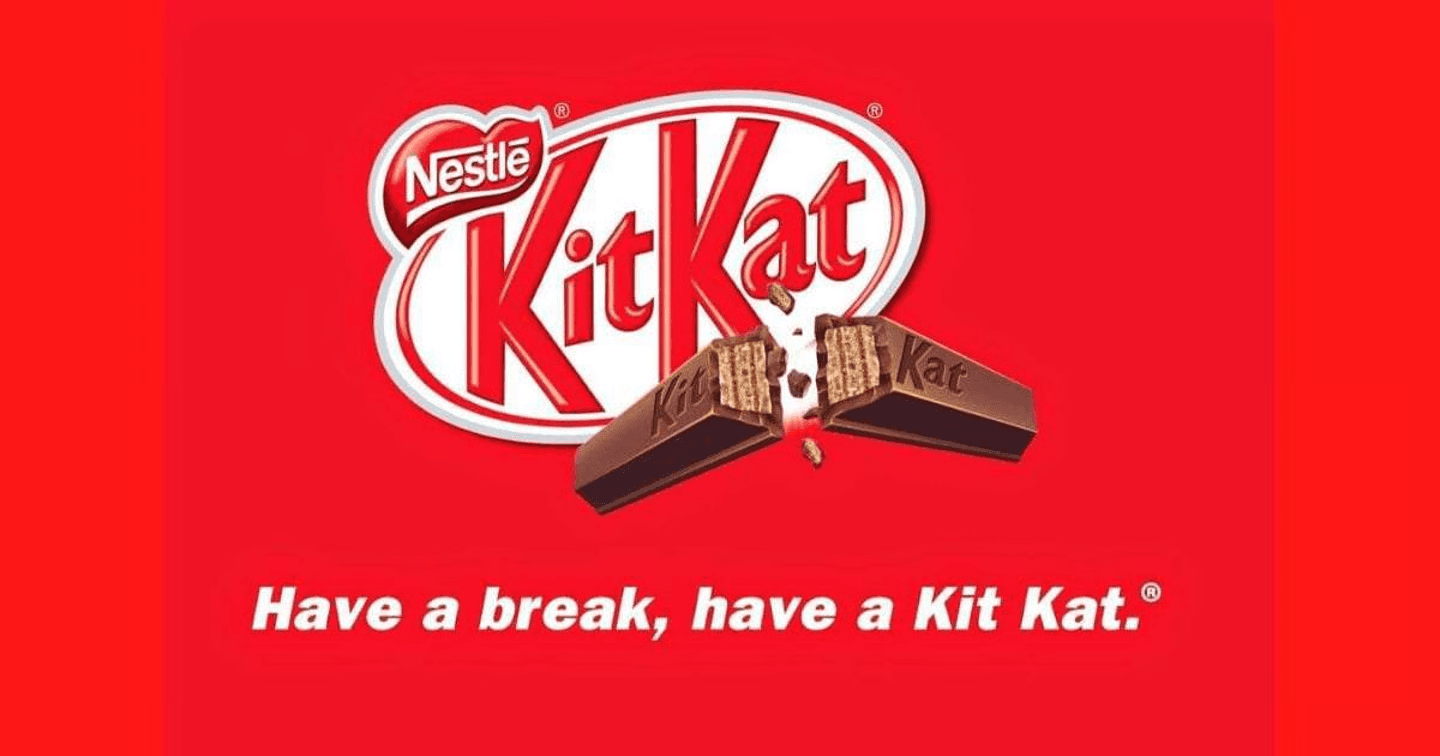
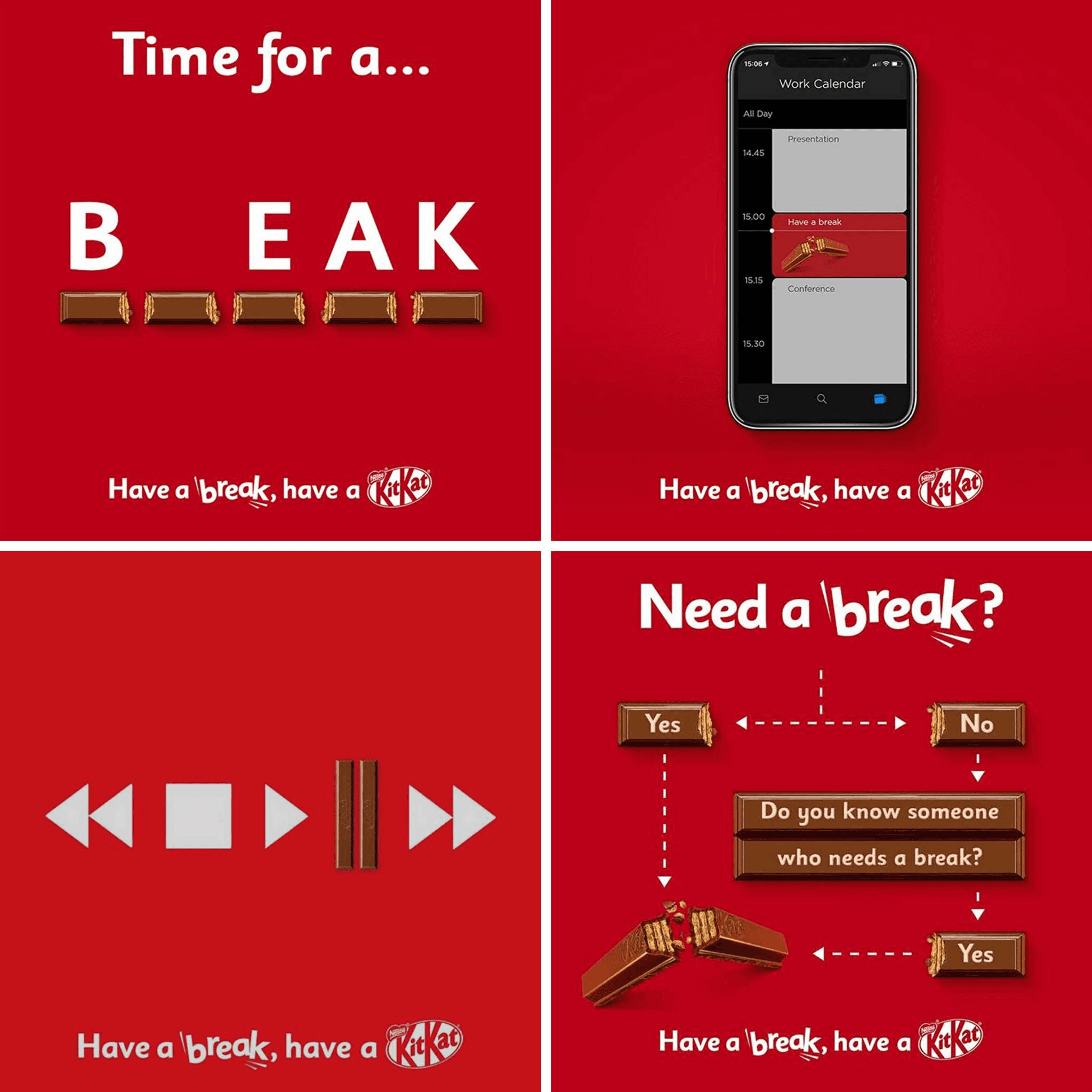
The "Break" Concept: Much like Snickers focuses on hunger, KitKat owns the universal human need for a pause. The slogan "Have a break, have a KitKat" has remained a core part of the brand since 1957.
Emotional Connection: By positioning the chocolate bar as a symbol of relief and comfort during a busy day, KitKat makes itself relatable across different generations and cultures.
✍️ Repeated, consistent executions build mental availability, making the brand the default choice in relevant moments.
*Radical Localization
(The Japan Model)
Cultural Adaptation: KitKat is a masterclass in localizing a product. In Japan, the brand leveraged the fact that "KitKat" sounds like "Kitto Katsu" (meaning "surely win"), turning the snack into a symbol of good luck for students.
Flavor Innovation: To stay relevant and "exciting," KitKat has launched over 300 limited-edition flavors in Japan alone (e.g., Wasabi, Sake, Matcha), proving that a consistent brand can still offer endless variety.
✍️ Repeated, consistent executions build mental availability, making the brand the default choice in relevant moments.
*Iconic Product Design
and Consistency
Functional Shape: The unique "four-finger" design was intentionally created in 1935 for workers to easily share or save for later, making the physical product as recognizable as the marketing.
High Brand Recall: The jingle and slogan have stayed largely unchanged for over 60 years, creating a sense of nostalgia and trust that strengthens long-term brand equity.
✍️ Repeated, consistent executions build mental availability, making the brand the default choice in relevant moments.
*Strategic Distribution
and Partnerships
Global Footprint: With 17 billion bars produced annually across 100+ countries, KitKat uses massive scale to maintain market dominance.
Unique Licensing: The video highlights a rare industry anomaly where Nestlé owns the brand globally, but licenses it to their rival, Hershey’s, in the US market to ensure maximum reach.
✍️ Repeated, consistent executions build mental availability, making the brand the default choice in relevant moments.
*Evolution with Modern Values
Sustainability: To appeal to eco-conscious consumers (especially Gen Z), KitKat introduced recyclable paper packaging in Japan, setting a trend for the confectionery industry.
Digital Relevance: The brand stays fresh by using social media memes, interactive packaging, and influencer collaborations to maintain "mental availability" among younger audiences.
✍️ Repeated, consistent executions build mental availability, making the brand the default choice in relevant moments.
RESULT & REFLECTION
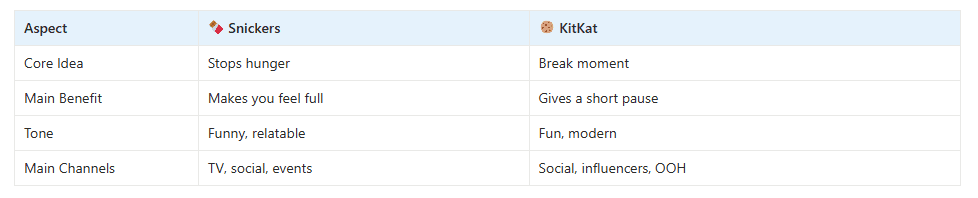
Each chocolate brand demonstrates a strong core value and focuses on simple, easily understood principles. Most importantly, each brand targets a specific audience and consistently aligns its communication with its tagline.
02
PRACTICES & DEVELOPMENT
Instead of continuing with broad research, I decided to conduct several case studies that showcase brand activation processes, allowing me to better visualise potential outcomes.
Source
/Cheetos l Other Hand l Case Study l Cannes Lions 2025
Keywords
/brand activation
/case study
/marketing strategy
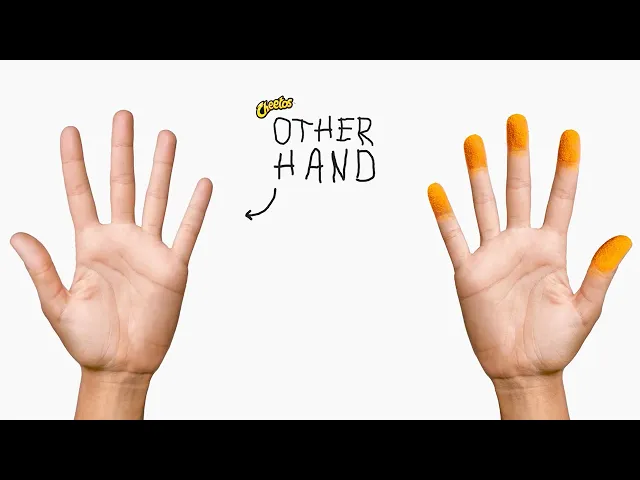
The "Other Hand" campaign is a brilliant strategic pivot that transforms the messy inconvenience of eating Cheetos into a badge of honor. By observing that the "Cheetle" dust occupies the dominant hand, Cheetos created a hilarious narrative where the entire world is forced to function poorly with their "other hand." Cheetos reinforces its "It’s a Cheetos Thing" platform and ensures the brand stays top-of-mind every time a consumer gets their hands dirty.
*Turning a "Product Flaw"
into a Brand Asset
The Insight: Cheetos identified a universal truth: 99% of people eat Cheetos with their dominant hand to enjoy the "Cheetle" (cheese dust). This leaves them forced to perform every other life task with their non-dominant "other hand".
The Execution: Instead of apologizing for the mess, they celebrated the chaos it causes, from bad haircuts to botched plastic surgeries.
✍️ In strategy, don't always try to "fix" a product's weakness. Sometimes, the most annoying part of a product experience is actually its most distinctive brand asset.
*Radical Exaggeration
(The "What If" Factor)
The Insight: To make a simple observation famous, you must push it to its logical extreme.
The Execution: The campaign features high-stakes professionals (surgeons, NBA stars, and the operators of the Las Vegas Sphere) failing at their jobs because they refuse to stop eating Cheetos.
✍️ Great creative work often uses hyperbole to make a point. By showing the "worst-case scenarios" of using the other hand, the brand makes the simple act of eating chips feel like a monumental, life-altering event.
*Multi-Touchpoint
"Messy" Creativity
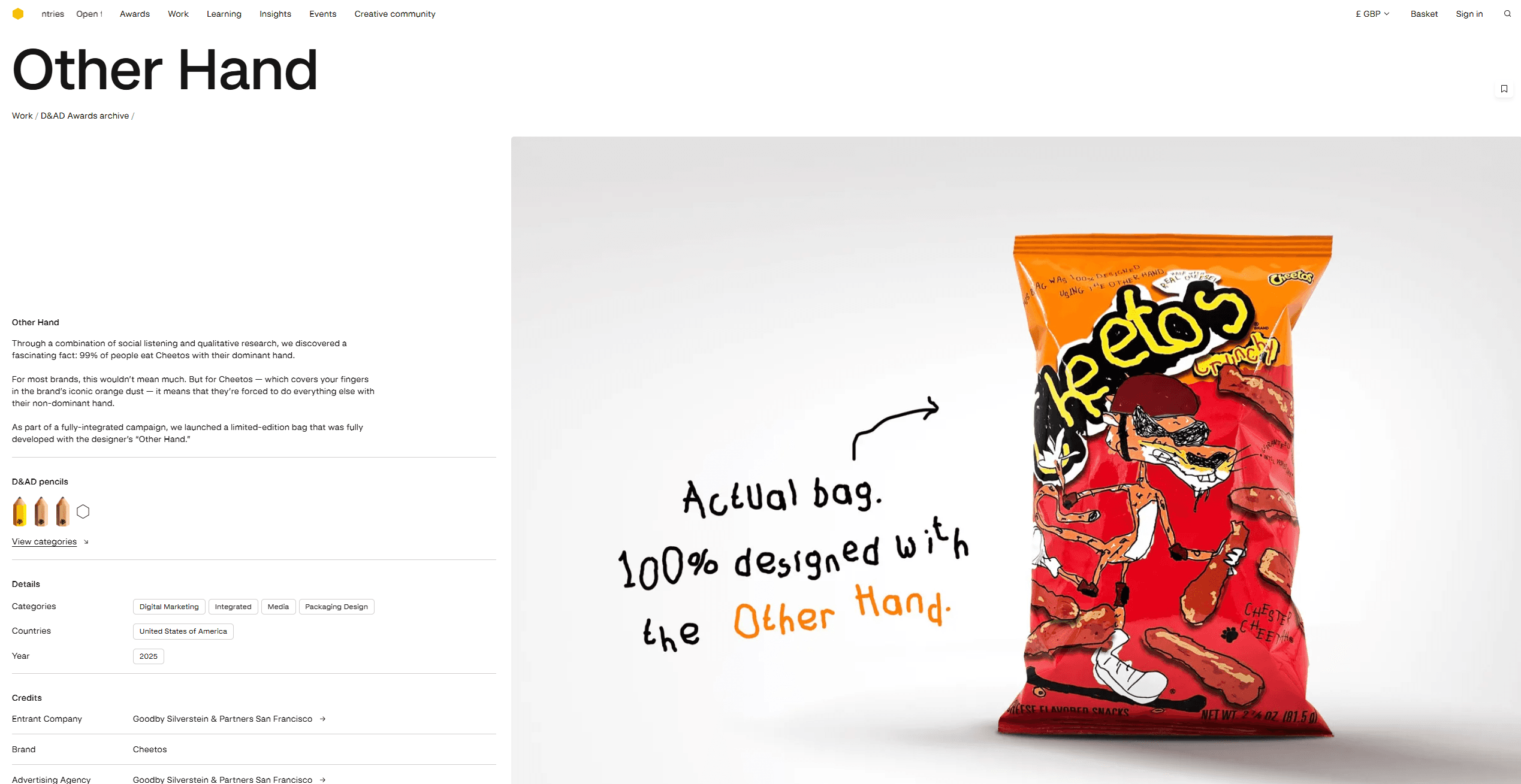
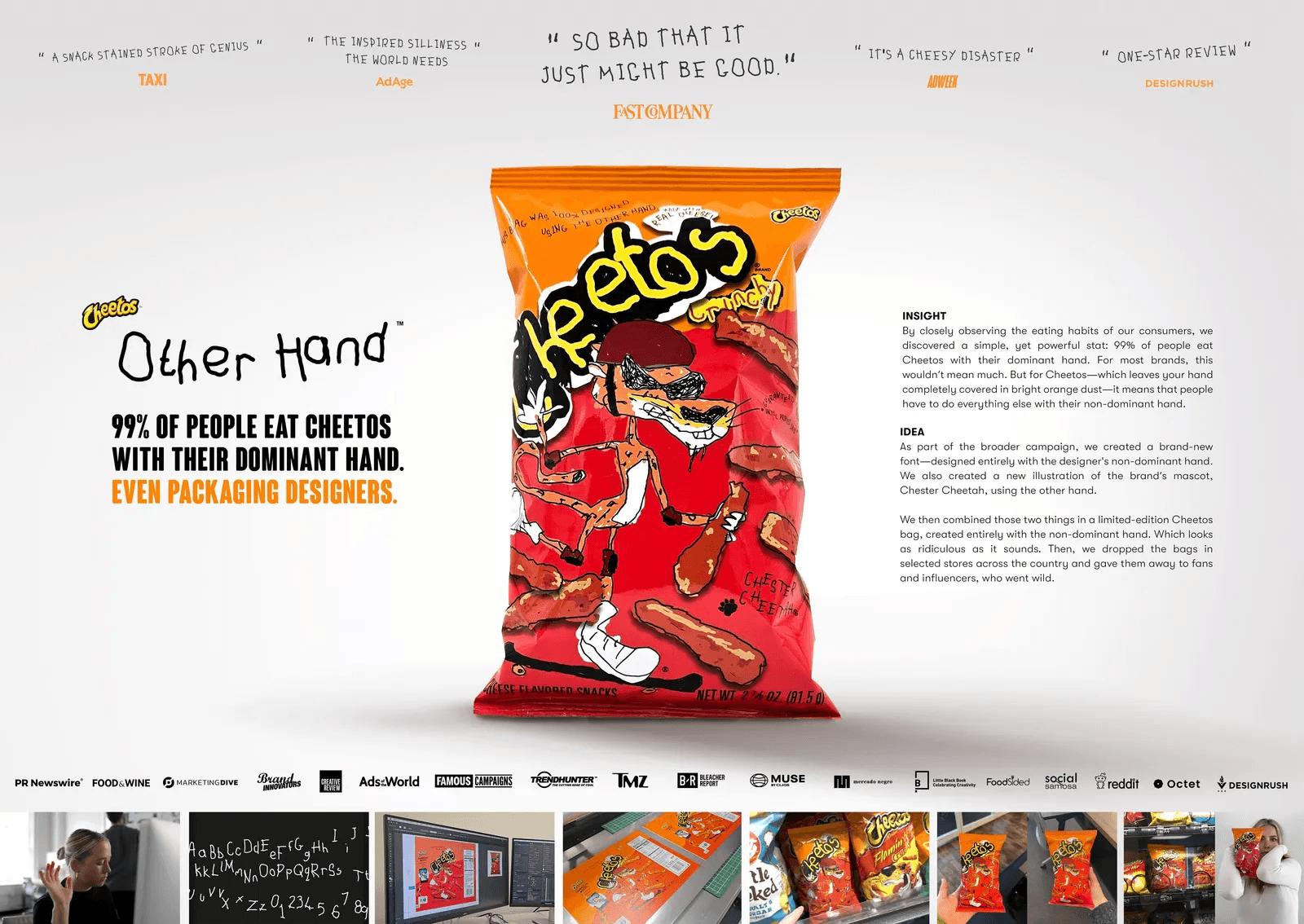
They didn't just make commercials; they created a "world of the other hand." This included intentionally designing the "world's worst font", intentional misprints on packaging, and social media challenges that invited users to join the fun.
✍️ By "failing" on purpose (bad fonts, misprints), the brand shows extreme confidence and invites the audience to play along with the joke.
*Reinforcing the
"Mental Availability" Loop
The Insight: The goal of the campaign was to make people think about how they eat Cheetos, which inevitably makes them think about eating Cheetos.
The Execution: By tying the brand to a physical behavior (using your non-dominant hand), they created a trigger. Every time someone struggles with their left hand, they are subconsciously reminded of Cheetos.
✍️ This is a masterclass in behavioral triggers. The best marketing doesn't just ask you to buy; it "wires" the brand into a physical habit or a common daily struggle.
RESULT & REFLECTION
I believe that an effective brand activation begins with clearly defining a problem or value that is directly connected to the product, and then linking it back to the brand’s core value to identify ideas with real development potential.