00
PLANNING
Last week, I narrowed the project down to two themes and explored some early visual directions. This week, my focus is on selecting one final theme for the proposal and developing stronger visual references for the final outcomes.
02
RESEARCH & ANALYSIS
I feel that I have gathered sufficient academic sources, so this week’s focus is on research consolidation. My aim is to synthesise these insights into a coherent interpretation that can support a convincing project proposal.
Source
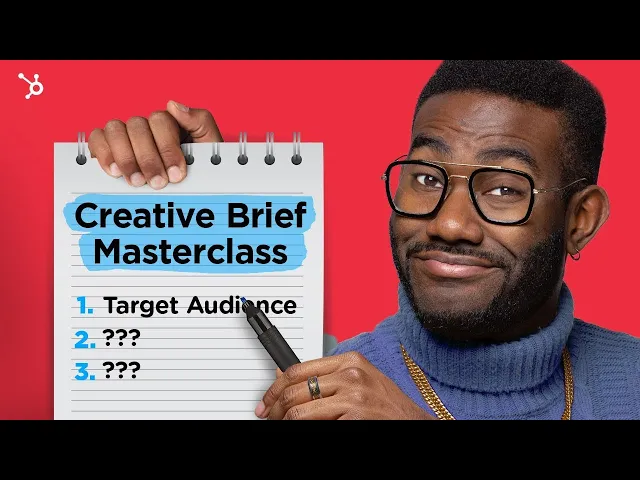
/How to Write a Powerful CREATIVE BRIEF (GUIDE) (HubSpot Marketing)
Keywords
/creative brief
/project brief
/intepretation
This video provides a comprehensive guide on how a well-structured Creative Brief serves as the essential strategic roadmap for any creative project. The tutorial emphasizes that a brief is not just a formality but a collaborative tool designed to align stakeholders, minimize revisions, and ensure that the final creative output directly serves the project's primary business objectives.
*DEFINITION
A creative brief serves as a guide from the ideation stage to the final deliverables. It acts as a reference point that keeps the entire team aligned on expectations and goals, regardless of who joins the project or when.
✍️ The creative brief helps clarify the project direction.
*ESSENTIAL
COMPONENTS
Project Overview: A clear summary of what the project is and its origin.
Objective: Defines what success looks like and how it benefits the client. This is the "guiding light" for every decision made during the project.
Target Audience: A narrow focus on the specific market segment (age, income, location, etc.) that the project aims to reach.
Key Message: A concise summary explaining why the audience should care and how the project solves their problem.
Deliverables: A list of tangible items expected upon completion (e.g., videos, social media assets).
Timeline & Budget: Outlines the project duration and financial resource allocation.
✍️ The creative brief is a key step in shaping the project direction, serving as a foundation for developing an action plan in the next module.
Source
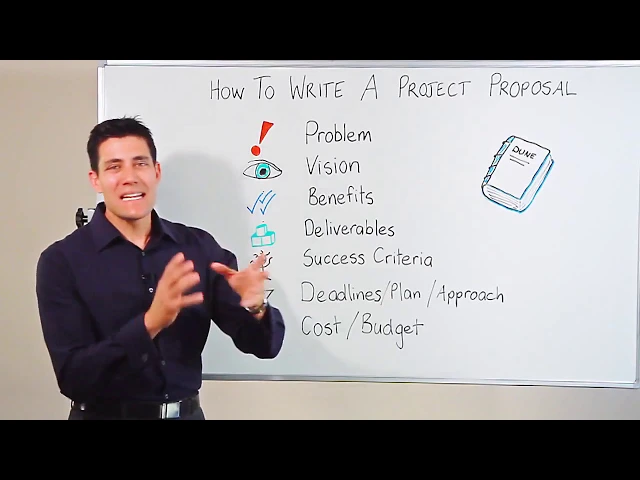
/Project Proposal Writing: How to Write A Winning Project Proposal
Keywords
/project proposal
/strategic writing
In the video "Project Proposal Writing: How to Write A Winning Project Proposal," Devon Dean from ProjectManager.com explains that a successful proposal is not just a document, but a tool for communication and persuasion.
*STRUCTURING
CONTENT
The Problem Statement: This must make a big impact within the first five minutes. Paint a "bleak picture" of the current situation and highlight specific missed opportunities or incurred costs that could have been avoided
Vision Statement: You must tie your project directly to the company's long-range strategy. Without this link, the project may be seen as "rogue" and fail to get attention.
Deliverables: List the specific artifacts or outputs the project will provide.
✍️ A strong problem statement frames everything in place.
*SETTING
STANDARDS
SMART Success Criteria: Your criteria must be Specific, Measurable, Achievable, Realistic, and Time-bound. Meeting these gives stakeholders 100% confidence in the project's success
The "How" (Approach & Budget): Clearly define deadlines, the delivery approach (e.g., Agile vs. Waterfall), and the total funding plan.
✍️ Defining success criteria early helps separate research intention from final outcomes.
*FORMATTING
Executive Summary: If the proposal is longer than two pages, include a concise summary of the problem, vision, and benefits for quick decision-making.
Narrative Flow: The document should read like a story where every part connects. Don't introduce new items in the "Deliverables" section that weren't addressed in the "Problem Statement".
✍️ Structure itself becomes a storytelling tool for better communication.
RESULT & REFLECTION
After understanding how to structure the project, I realised that each project direction contained elements from both theme directions developed last week. Narrowing down too quickly would risk losing key components needed to form a complete and well-rounded brief.
👩💻 I combined Theme 2 and Theme 4 and rewrote the framing to better reflect their relationship.
Through this process, I realised that they do not function as a direct intersection. Instead, they operate as connected layers, each with a distinct role. Language becomes a bridging element that links cultural identity and tourism, helping different components of the proposal work together rather than merge into a single overlap.
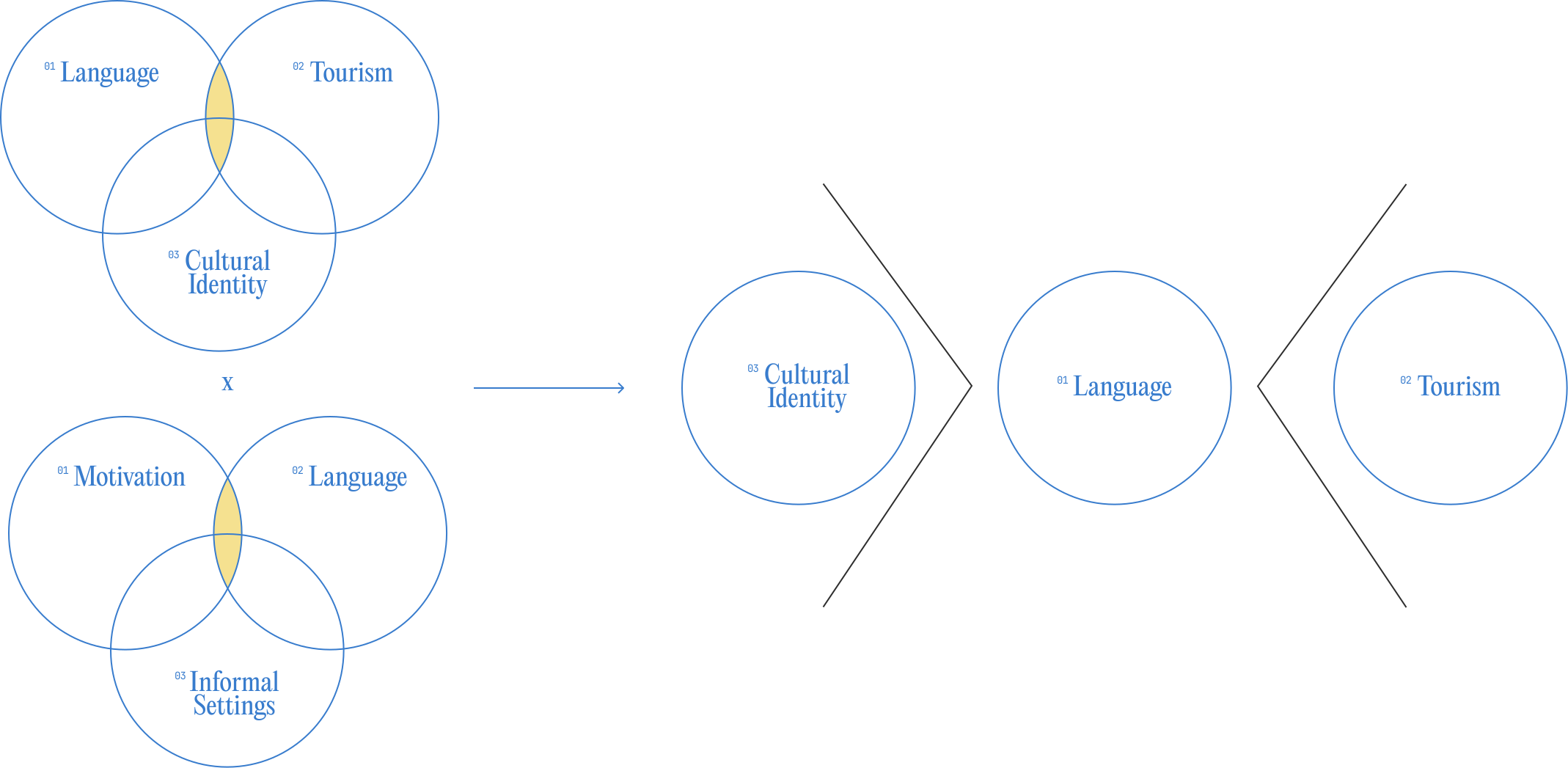
👩💻 I then refined the wording of the title and background information to better highlight the final direction of the project.
This step was particularly challenging for me, but I managed it by introducing a stronger sense of storytelling. I approached the writing as a personal experience, drawing from my own background as a language tutor to make the narrative more grounded and coherent.
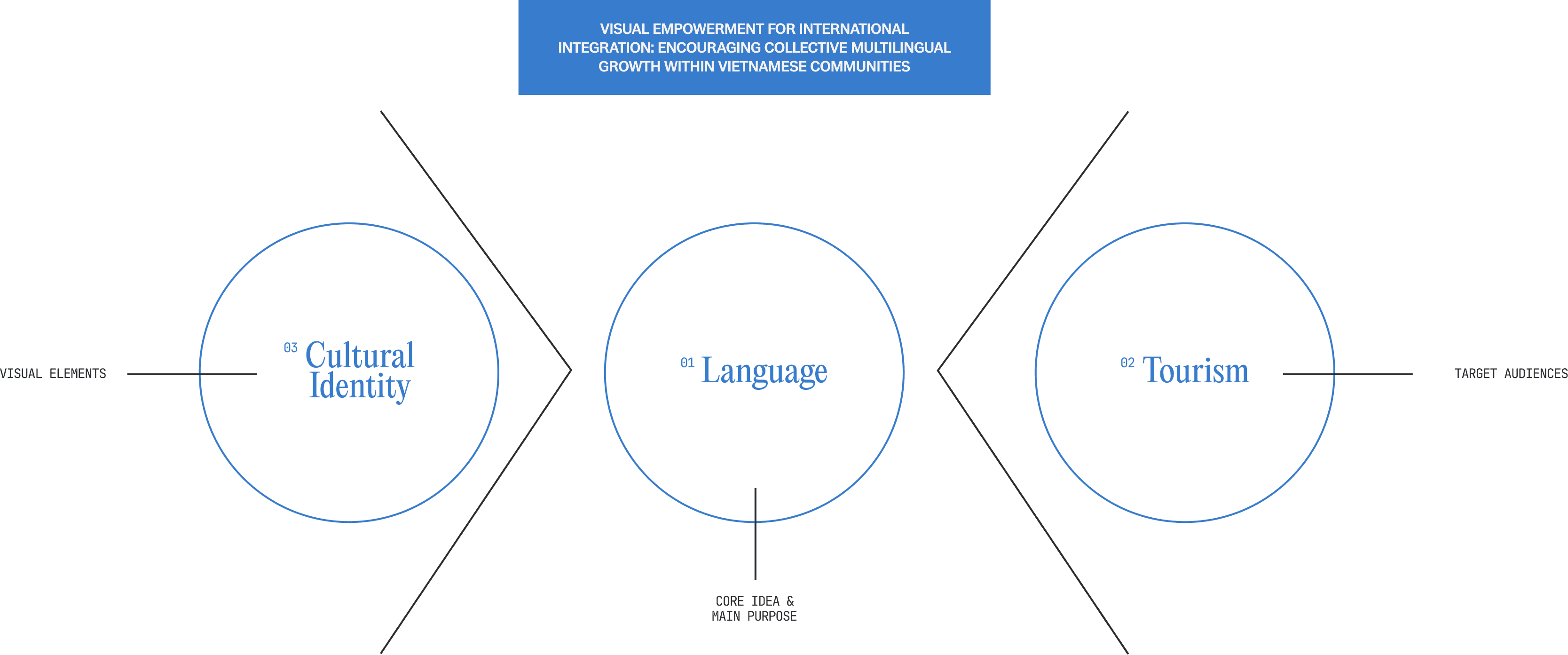
*RATIONALE
Learning a foreign language has become expensive because most parents don’t teach their kids at home, even though they want to. People end up depending on centers or tutors, and the whole process feels heavy and stressful.
But traditionally, Vietnamese people have always been strong self-learners. In a more global and fast-moving world, that spirit is still valuable, but learning alone is much harder and less motivating.
✍️ I want to look at language as something naturally collaborative. The whole point of a language is that it works only when people use it together. When two people try to speak the same language, even at a basic level, it already shows what collaboration really is. That idea is the core of what I want to explore through this project..
03
PRACTICES & DEVELOPMENT
This week, I'm shifting focus to visual investigation. I'll dig into case studies that lean more heavily on visual approaches.
👩💻 This week, we participated in a workshop with Mr. Bao Viet, a freelance illustrator and the founder of Goi Gem Space.
Although the workshop was framed around Creative Direction, it became a turning point for me in understanding his practice more deeply, particularly its strong connection to urban subcultures.
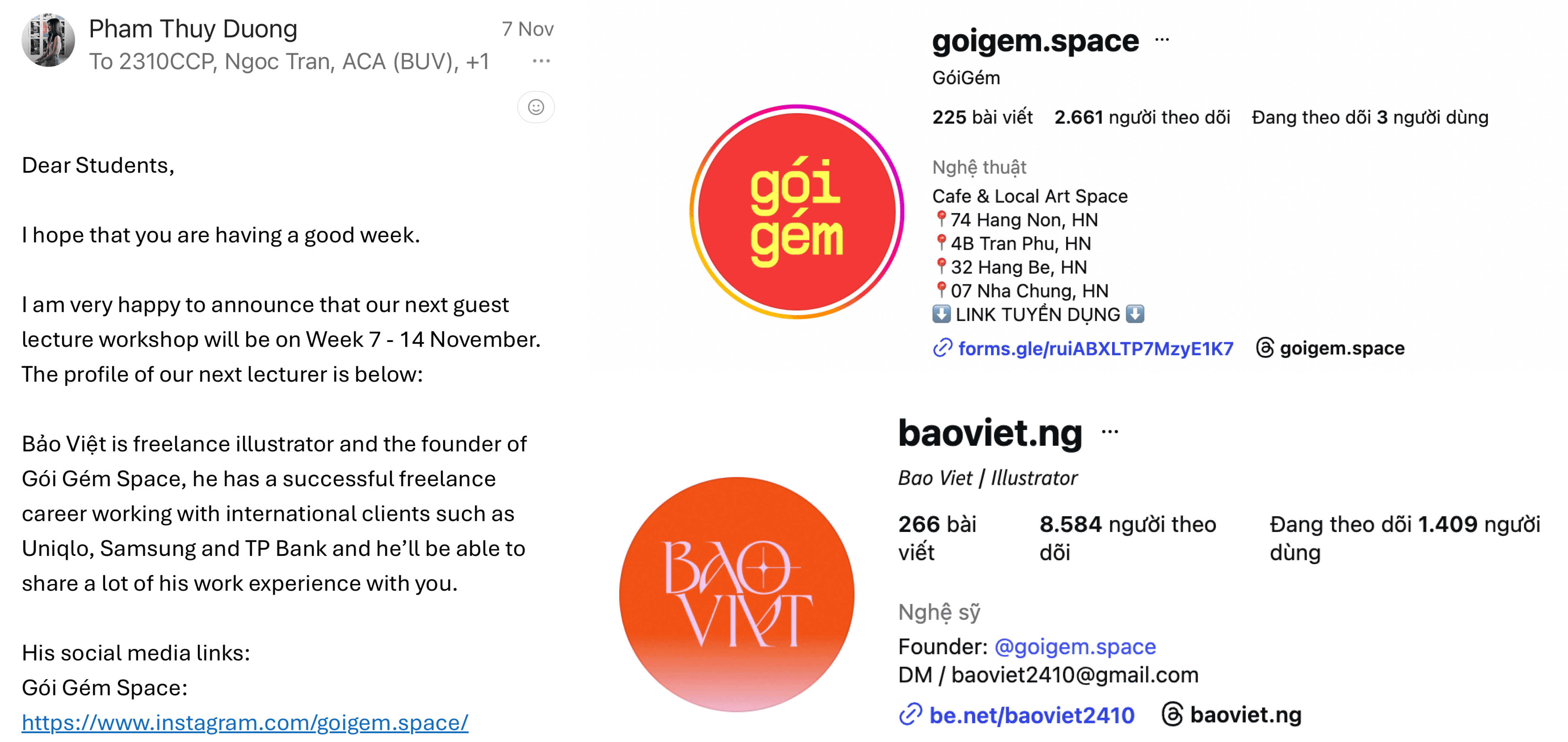
👩💻 GoiGem’s approach is grounded in observation, contextual sensitivity, and character.
This emphasis on lived visual culture helped me understand how creative work can emerge from everyday encounters and culturally embedded references, which is an insight relevant to my own visual development.

Source
/GoiGem Space (Instagram)
Focus
/local art space
/merchandise
Specialism related
/Illustration
/Graphic Design
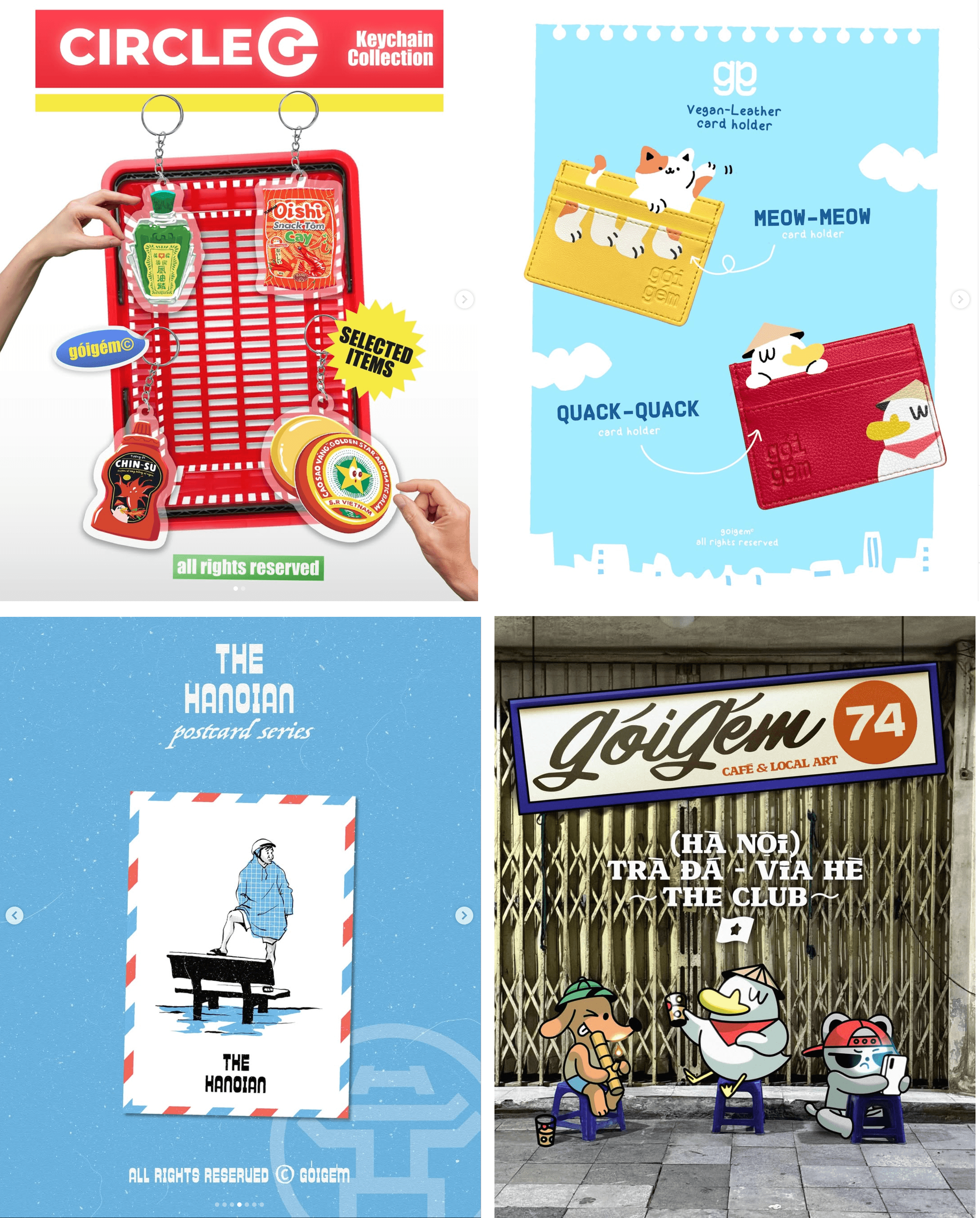
GoiGem Space is a Hanoi-based creative platform and collective known for illustration work that draws directly from everyday urban life and local subcultures. Their projects often use familiar street-level visual codes, turning ordinary objects, scenes, and behaviours into playful graphic narratives through calendars, posters, and character-based illustrations.
*STYLE VARIATION
GoiGem's visuals are all over the place in the best way. They mix stroke-based illustrations with patterns, layered photographic elements, bold graphics, and standout mascot characters. This constant switching keeps things fresh and adaptable across social posts and products, while still feeling unmistakably GoiGem.
✍️ The style shifts reach a broader crowd (especially tourists) by staying super accessible, fun, and instantly recognizable.
*HYBRID LANGUAGE
GoiGem mixes Vietnamese and English super casually, like how actual young people in Hanoi talk every day. They’ll throw in quick English bits like “cheers,” “sup mate,” or “live laugh love” for that cool, ironic edge, while the Vietnamese parts bring all the local humor, sarcasm, and real-life flavor.
✍️ Language is a playful tool for connection.

*HumourOSITY
Humour is a recurring element across GoiGem’s works, expressed through playful characters, casual wording, and familiar everyday situations. The visuals often feel intentionally simple or slightly naïve, using mascots, slang, and exaggerated gestures to mirror how people communicate in Hanoi’s street culture.
✍️ Humor makes local culture easy to approach. No explanations or formal vibes needed.
*DESIGN
OPPORTUNITY
By packing that same humor and mixed language into calendars, tees, and prints, GoiGem turns everyday objects into little cultural triggers, things that spark a smile, a memory, or a sense of belonging without trying too hard.
✍️ Design can sneak in tiny, unexpected moments of cultural connection through ordinary stuff we see and use daily.
RESULT & REFLECTION
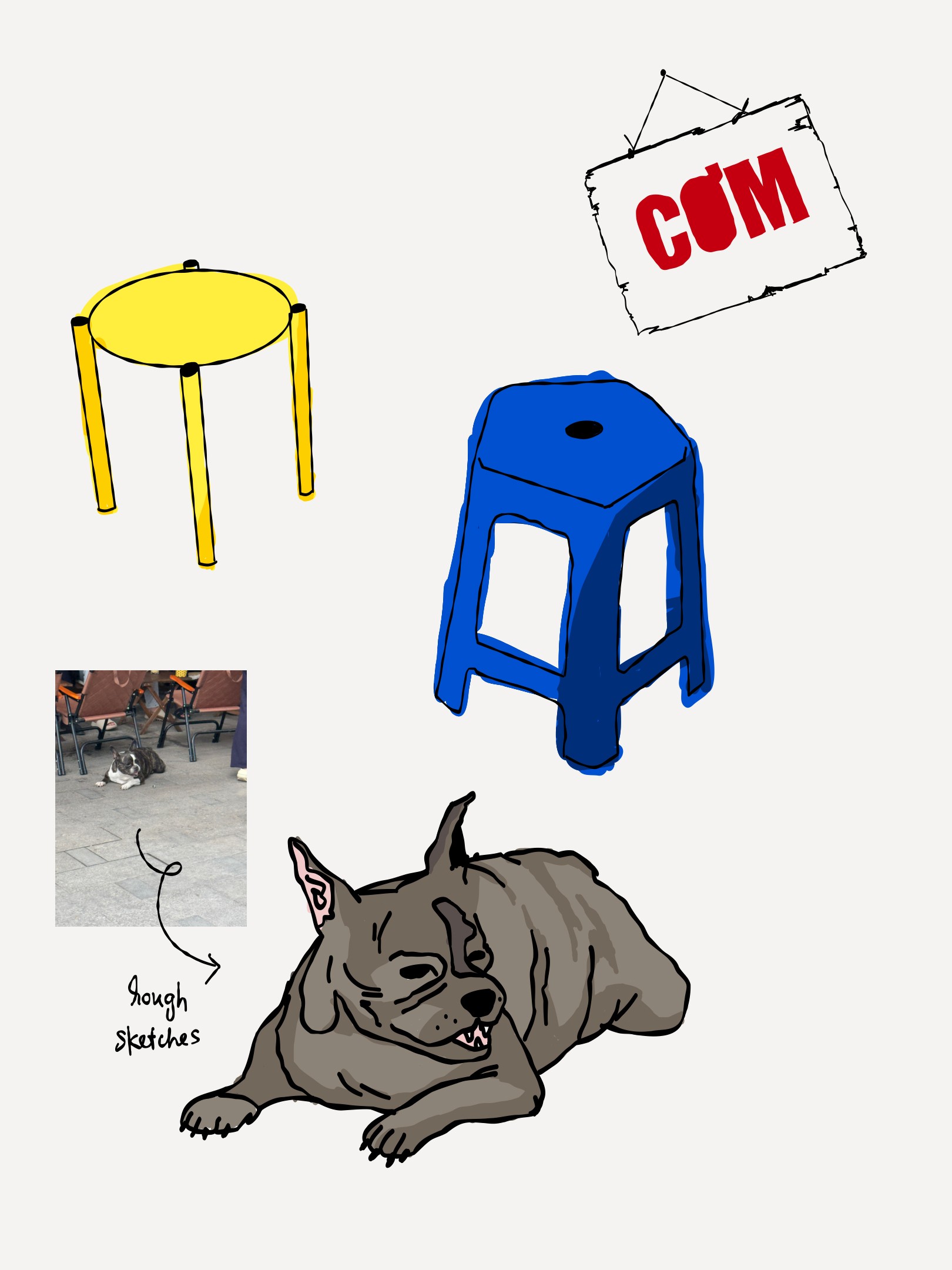
Based on these references, I sketched several visual elements and began testing how illustration could be implemented at an early exploratory stage.