01
RESEARCH & ANALYSIS
Based on last week’s research, I began drafting the content for the research poster.
👩💻 Because I read a wide range of materials without committing to a single clear direction, I decided to be more selective in the Literature Review. Instead of covering everything, I will filter what I have read and reorganise the materials around key insights that better align with the new direction.
Most of the articles and case studies I reviewed relate to Hanoi in some way. I do not want to over-rely on charts, as many of these materials lean more toward observation than data. My goal is to frame the problem more clearly so readers can pause, reflect, and genuinely understand the reality being discussed.
RESULT & REFLECTION
*ABSTRACT
Hanoi’s sidewalks are commonly framed as congested, informal, or disorderly spaces within dominant urban and tourism narratives. This research examines sidewalks as lived urban infrastructure shaped by historical development, informal economic practices, and everyday human use.
*PROBLEM
As the city becomes more regulated and visually controlled, many everyday sidewalk activities are seen as messy, temporary, or out of place. For tourists, sidewalks are everywhere. Yet, they only see the noise, the crowds, and the visuals without understanding clearly about this subculture. Over time, this creates a distance between what sidewalks look like and what they actually mean to the people who live and work on them.
*KEY
INFORMATION
The heart of the project is driven by:
Research Question: How can a design project help communicate the cultural value of Hanoi's sidewalks?
Target Audience: Tourists/visitors in Hanoi; First-time visitors; International tourists; Culturally curious travelers.
Design Solution: At the intersection of cultural identity, tourism, and human identity, this project uses visual communication to translate everyday sidewalk life into readable culture narratives for visitors.
Research Focus: Sidewalk culture; Informal urban practices; Cultural symbols; Tourist perception gap; Visual translation.
*KEY
INFORMATION
History & Revolution of Sidewalk Use in Hanoi
Sidewalk culture in Hanoi is less a collection of picturesque scenes than a lived grammar of urban belonging. Plastic stools, kettles, food carts and motorbikes are continually rearranged along house fronts and curb edges, forming micro-zones for sitting, cooking and circulation that residents earn through practice rather than through plans (Mejcl, 2021).
Street vending in Hanoi accounts for approximately 25% of the city’s informal employment, with an estimated 2,000 vendors operating in the Old Quarter alone and thousands more across the wider city. The informal sector itself comprises roughly 80% of Hanoi’s total employment, making it the city’s largest job provider since the Đổi Mới reforms of 1986 transformed Vietnam from a planned economy to a market-oriented system.
Tourism & Cultural Dimensions of Sidewalks
"There is a lack of design-led, public-facing interpretation of Hanoi's sidewalk culture that explains its cultural meaning to visitors."
For visitors, sidewalks often serve as the city’s most persuasive interface; bowls of soup, low seating and dense activity are quickly read as signs of authenticity and “real local life” (Hanoitimes, 2022). Tourism research, however, shows that such authenticity is co-constructed through expectations, marketing, and guided interpretations rather than discovered in a pure state (Wang et al., 2021).
Sidewalks as Survival Infrastructure
Beneath images of lively street life lies a finely tuned infrastructure of survival, in which food stalls, mobile services and street vending translate agricultural labour and surplus time into urban income. Research on Hanoi's roving vendors highlights the role of women migrants, who work long hours in low-protection conditions yet anchor everyday food provision for large parts of the city.
Sidewalk clearance campaigns that prioritize order and walkability make visible the politics of presence by deciding who is framed as citizen, obstacle or nuisance. The literature on urban informality argues that such “informal” spaces are not outside the state but actively produced through elastic regulation that tolerates some practices while criminalising others (Roy, 2005). On a strip of pavement only a few metres wide, struggles over a “modern” city image are negotiated against vendors' need to remain seen in order to survive.
*KEY
QUOTE
"Unlike other places in the world, the sidewalk in Hanoi is not just for walking but a multifaceted social space and location of livelihood, partly reflecting the capital city's culture."
(HanoiTimes, 2022)
*REFERENCE
Phạm, P. (2025). The Sidewalks Of Hanoi: A Cultural Tapestry Beneath Our Feet. [online] Vietcetera. Available at: https://vietcetera.com/amp/en/the-sidewalks-of-hanoi-a-cultural-tapestry-beneath-our-feet.
HanoiTimes (2022). The unique sidewalk culture of Hanoi: Daily life on the pavement. [online] Hanoitimes. Available at: https://hanoitimes.vn/the-unique-sidewalk-culture-of-hanoi-daily-life-on-the-pavement.588277.html.
Mills, S. (2025). Street Vendors in Vietnam: The Heart and Soul of Everyday Life. [online] Vietnam Teaching Jobs Blog. Available at: https://vietnamteachingjobs.com/blog/street-vendors-in-vietnam/.
Pill, A. (2011). Street Food Policy in a Growing Economy: A Case Study of Street Food Vendors in Hanoi’s Old Quarter. [online] Available at: https://digitalcollections.sit.edu/cgi/viewcontent.cgi?article=2153&context=isp_collection.
Truong, V.D. (2017). Tourism, poverty alleviation, and the informal economy: the street vendors of Hanoi, Vietnam. Tourism Recreation Research, 43(1), pp.52–67. doi:https://doi.org/10.1080/02508281.2017.1370568.
Huy, G. (2025). Hanoi cracks down on sidewalk clutter, removes awnings in central ward. [online] VnExpress International - Latest news, business, travel and analysis from Vietnam. Available at: https://e.vnexpress.net/photo/traffic/hanoi-cracks-down-on-sidewalk-clutter-removes-awnings-in-central-ward-4985971.html.
02
PRACTICES & DEVELOPMENT
In terms of finding the design techniques to experiment, I have chosen some options of moodboard and visual styles to further develop on the visual approach.
PHOTOGRAPHIC & ILLUSTRATION BASED
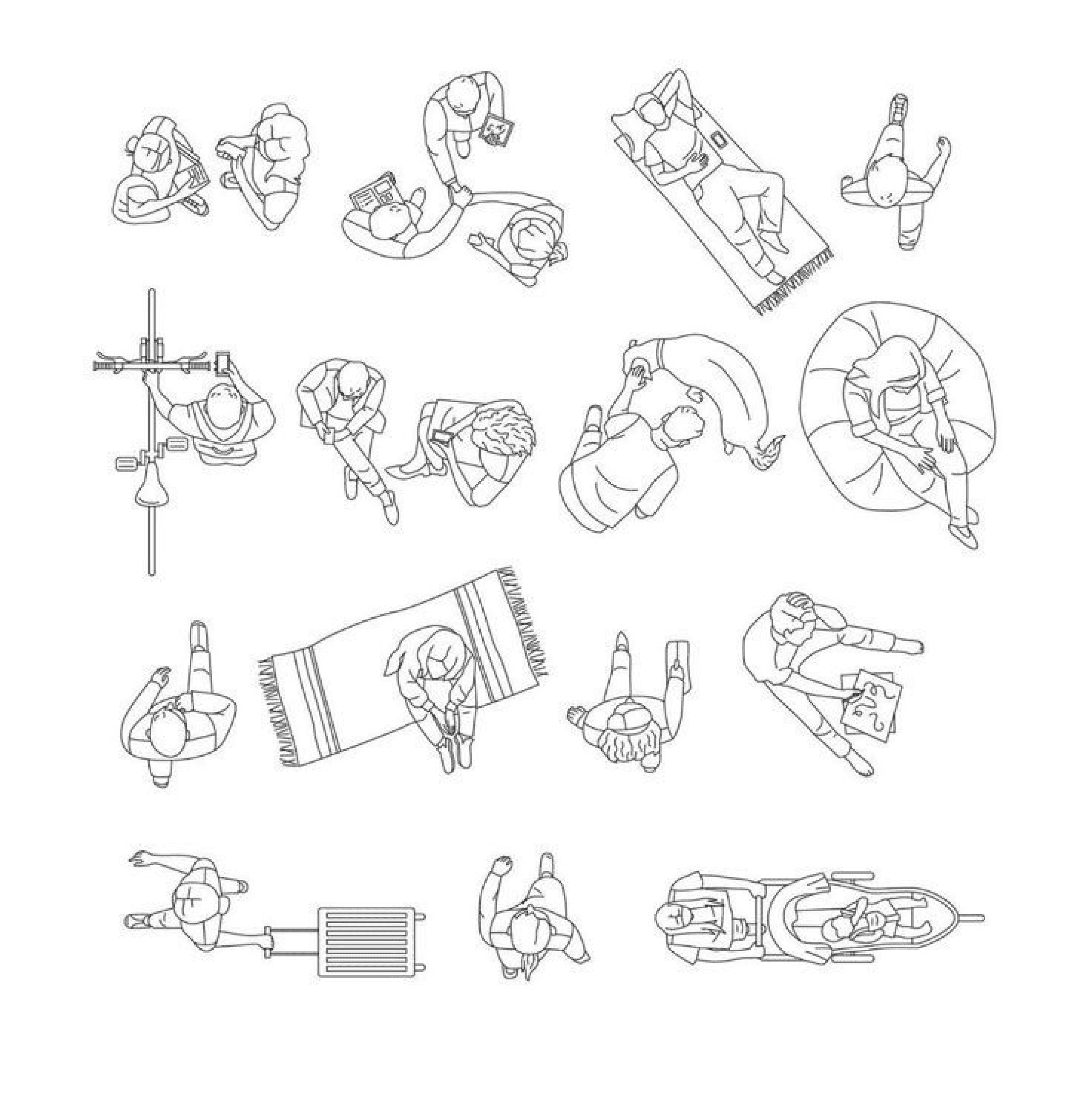
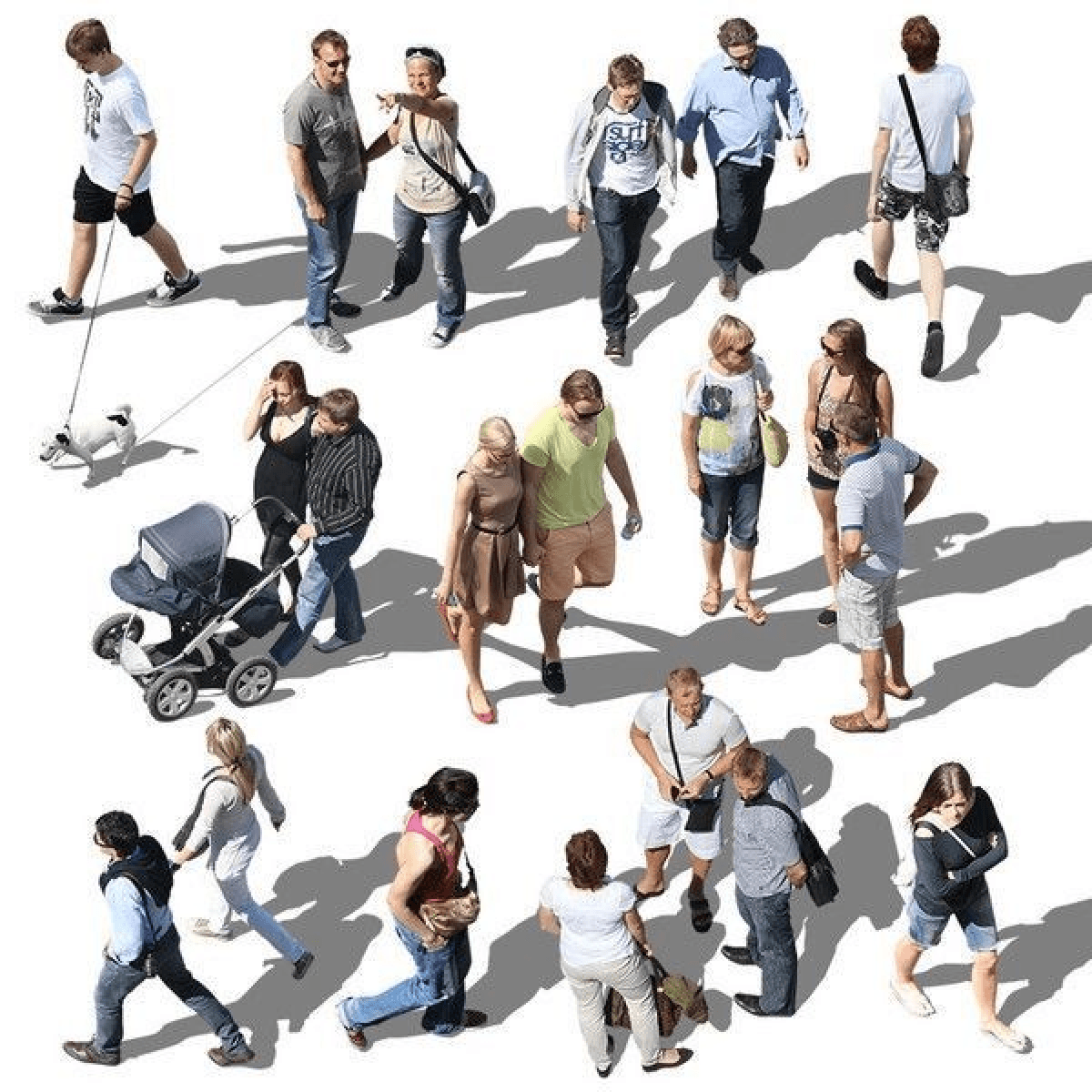
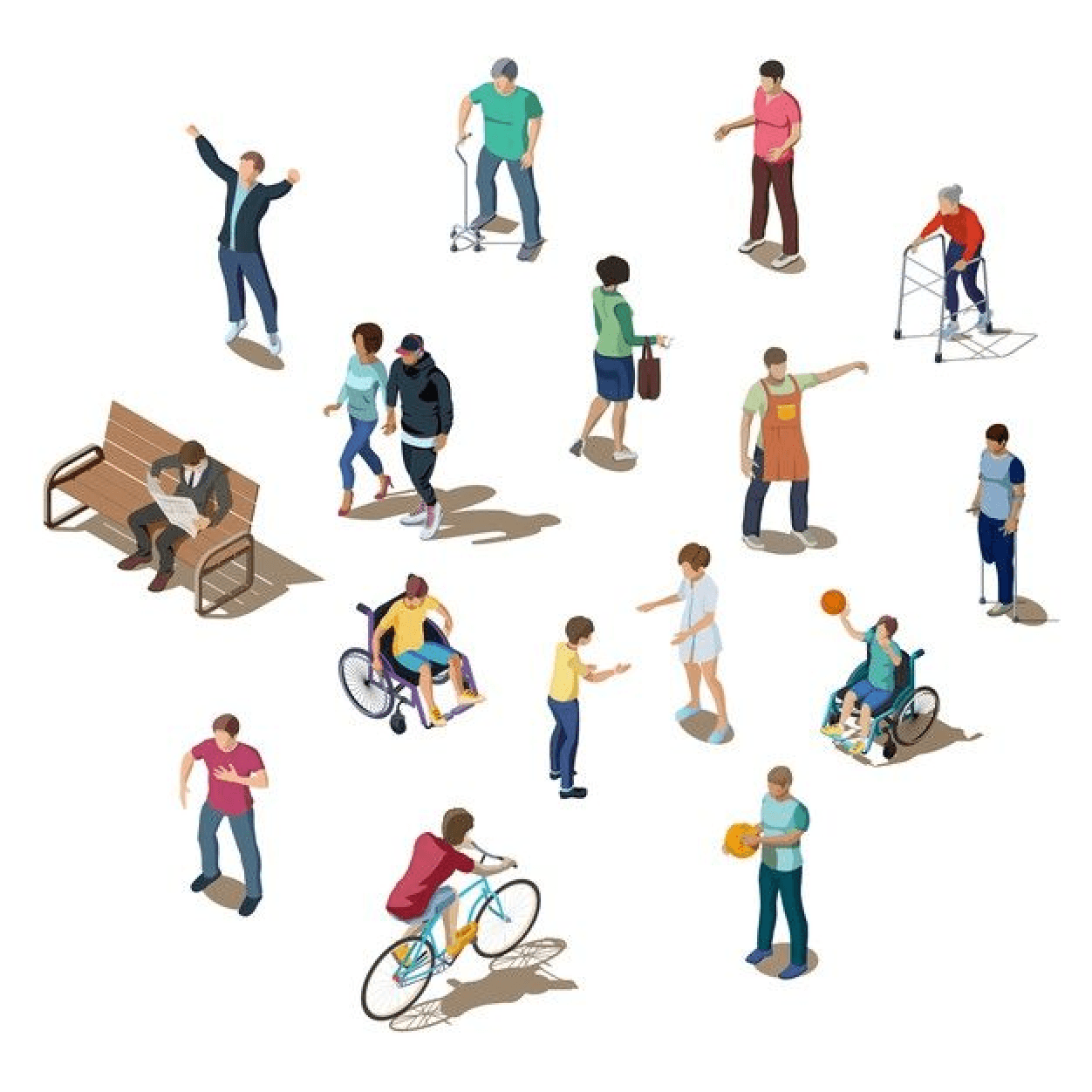

*VISUAL APPROACH
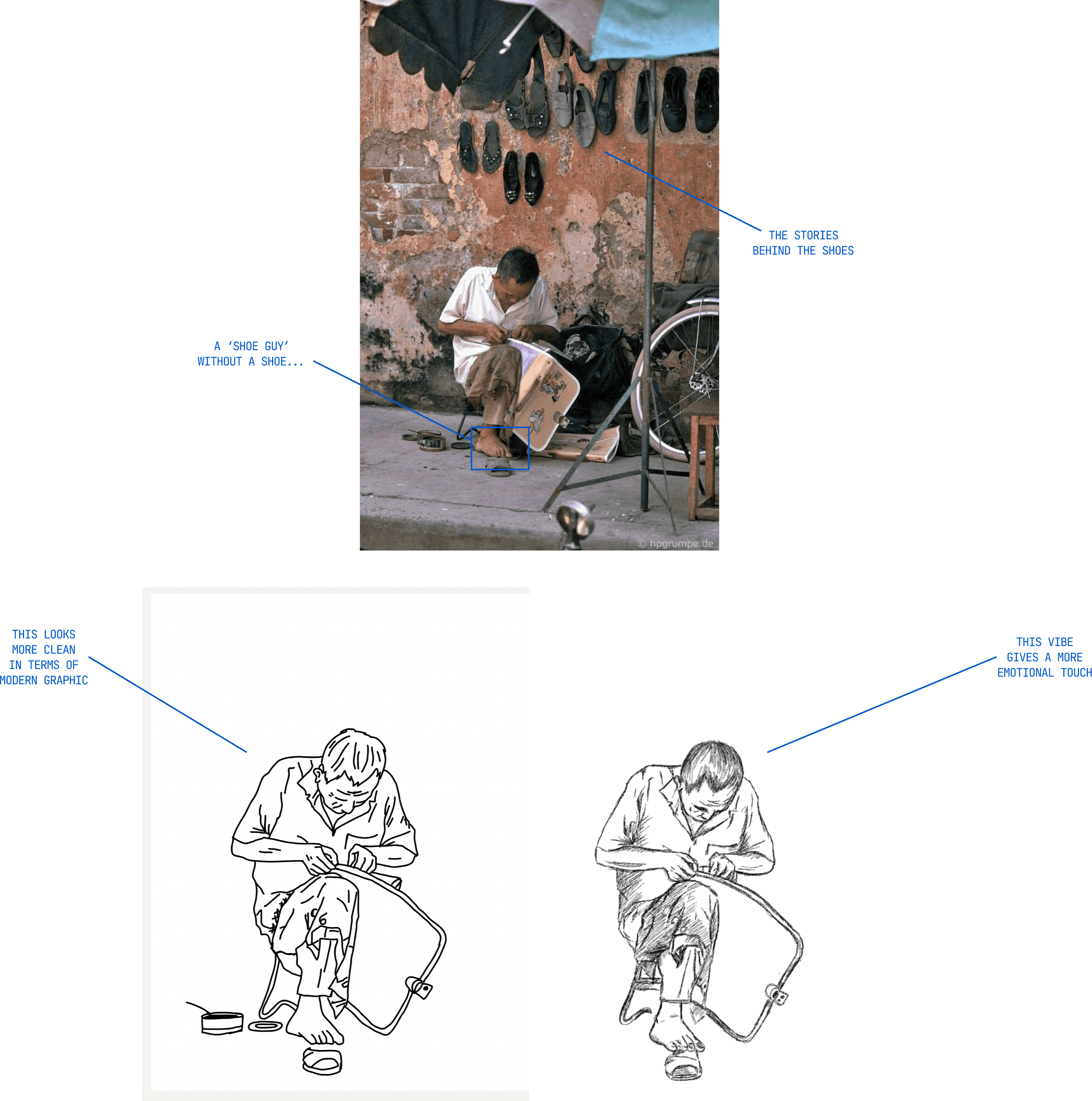
Since the keyword has shifted to human, I started experimenting with simplified human anatomy in a collective form.
✍️ The slightly chaotic composition reflects everyday movement and density, which aligns with the lived, informal character of Hanoi.
TEXTURE & PHOTOGRAPHIC BASED




*VISUAL APPROACH
I wanted to test whether human presence can be read through everyday objects rather than direct figures. Some references use symbolic items and typography as stand-ins for people, which also subtly reconnects to my original theme of language learning through signs, naming, and cultural codes.
✍️ Human presence can be communicated indirectly through culturally coded objects and symbols.
MATERIAL EXPERIMENTS


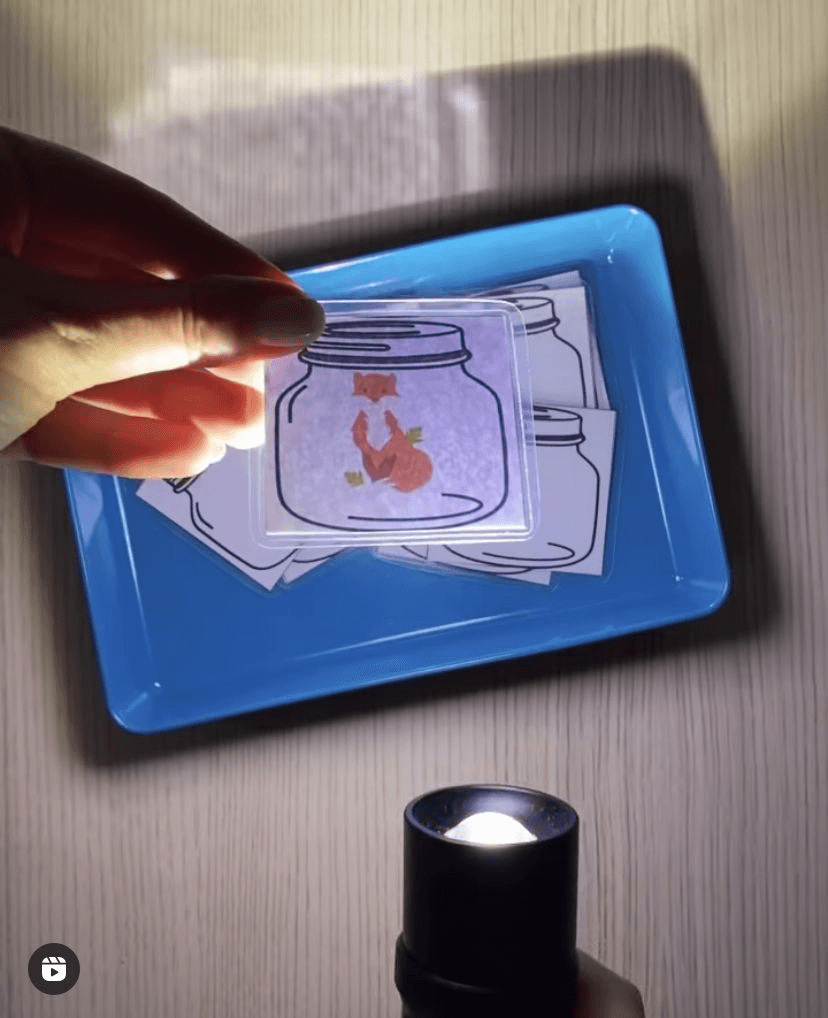
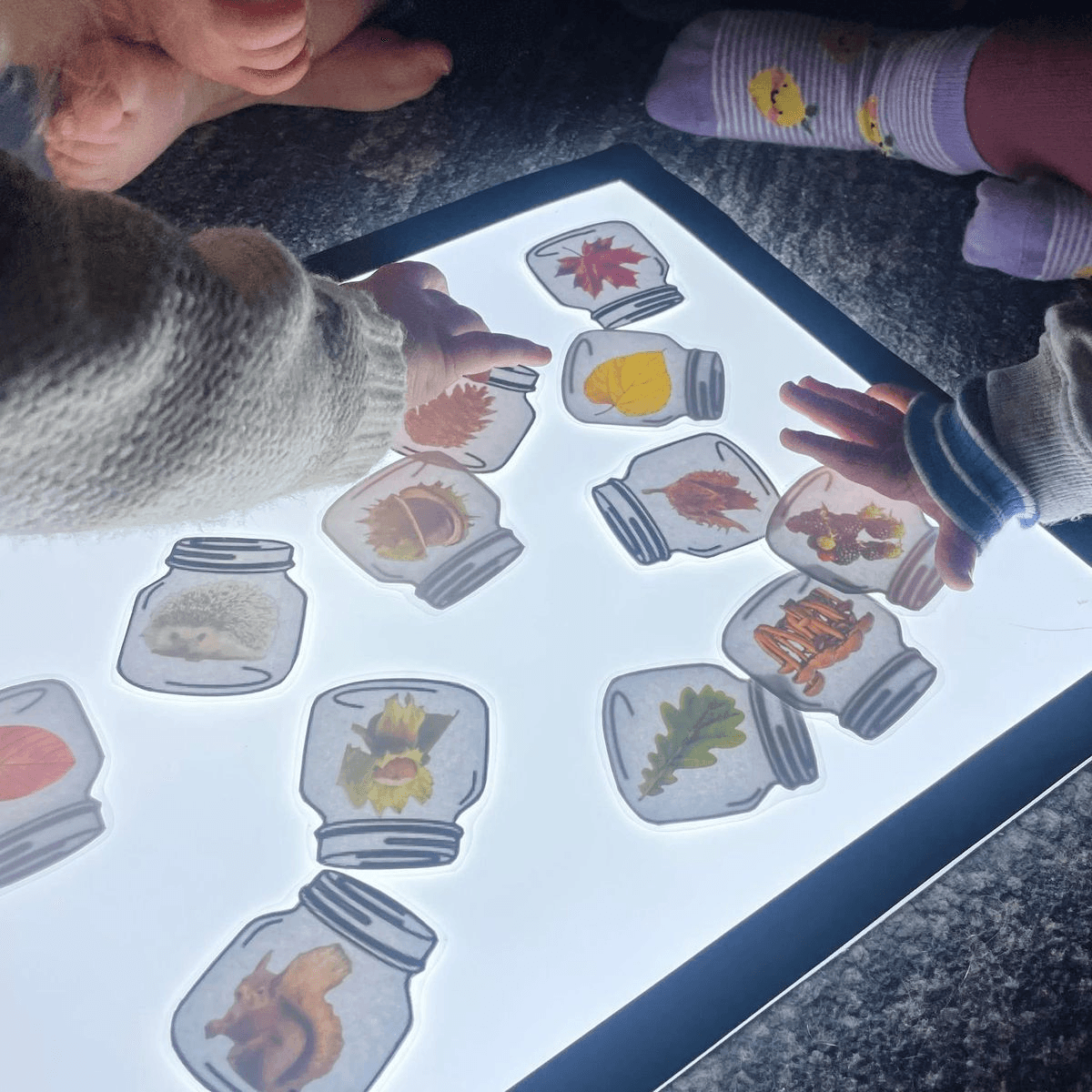
*VISUAL APPROACH
I approached these experiments as a way of playing with layered meanings. Through physical materials and lighting, I tested how a single object can carry multiple readings, depending on context, shadow, and proximity.
✍️ Lighting is another way of showcasing physical materials in a different angle.
PATTERN EXPERIMENTS
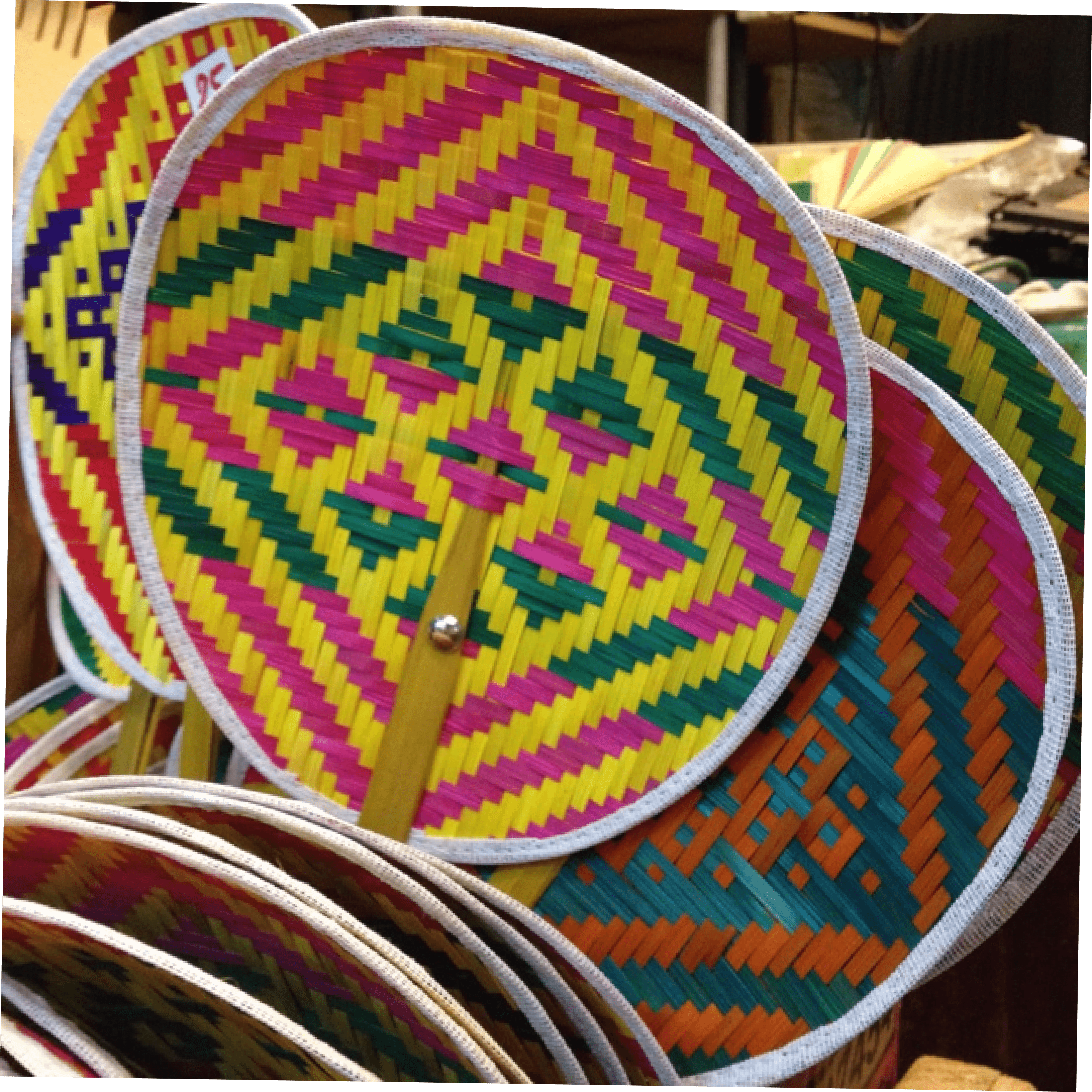

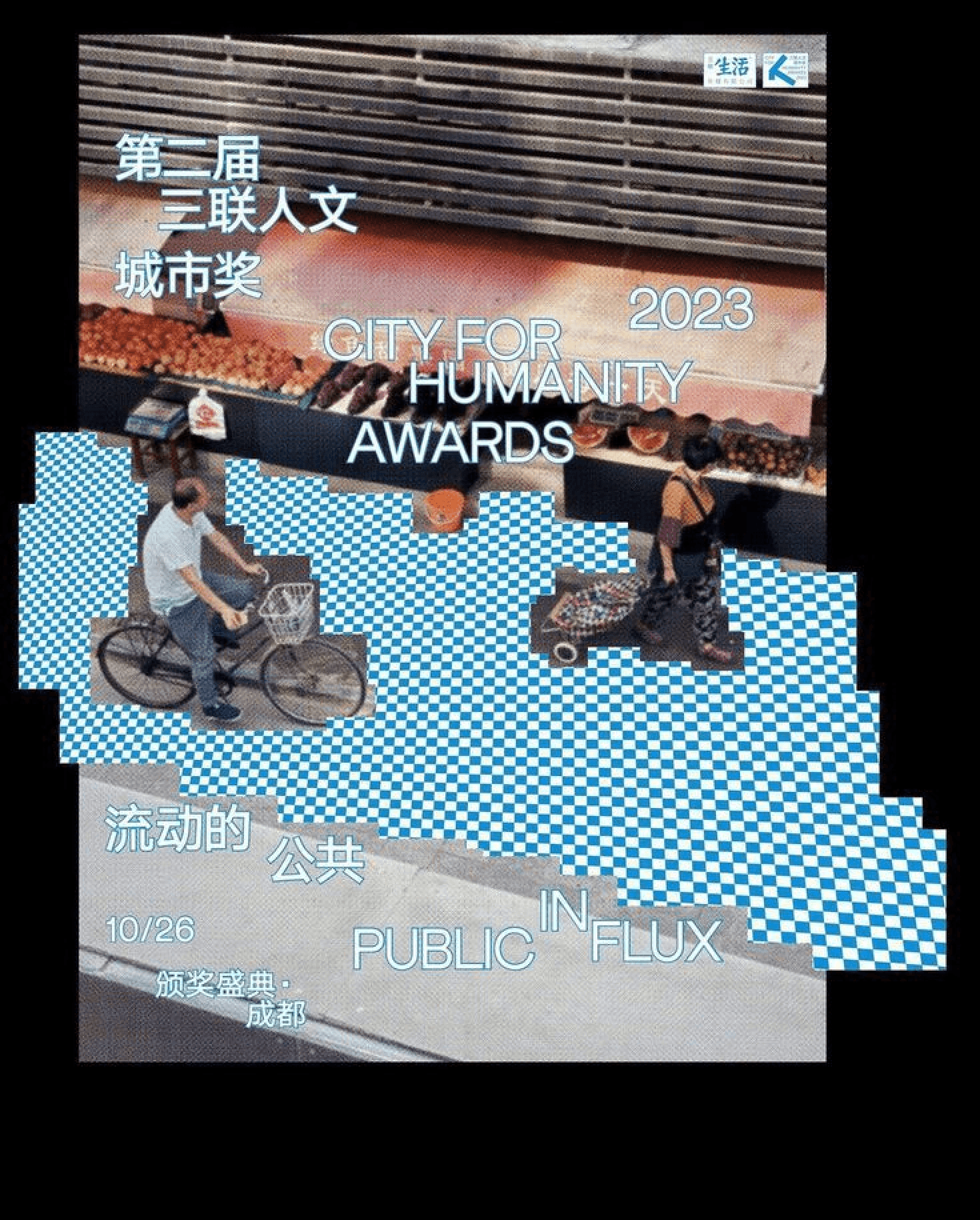
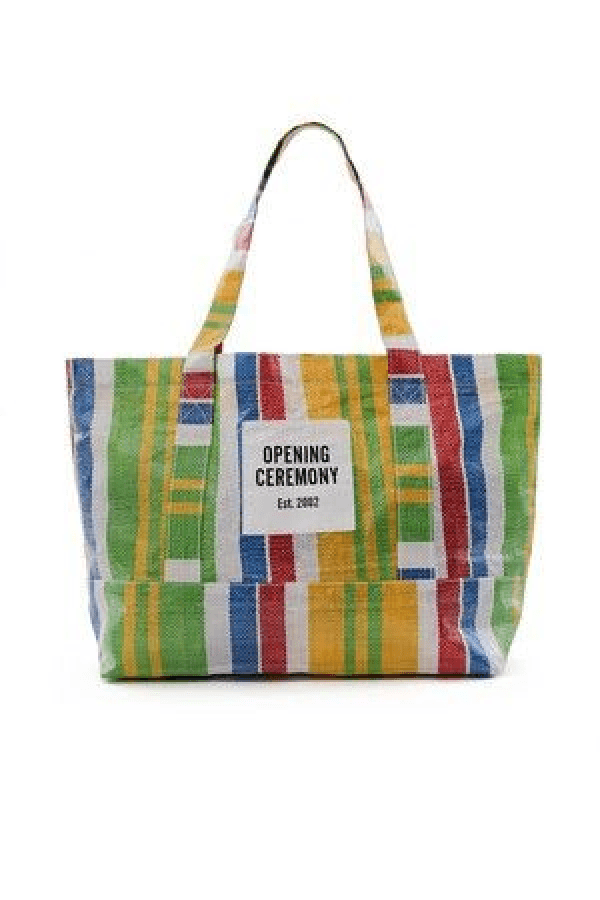
*VISUAL APPROACH
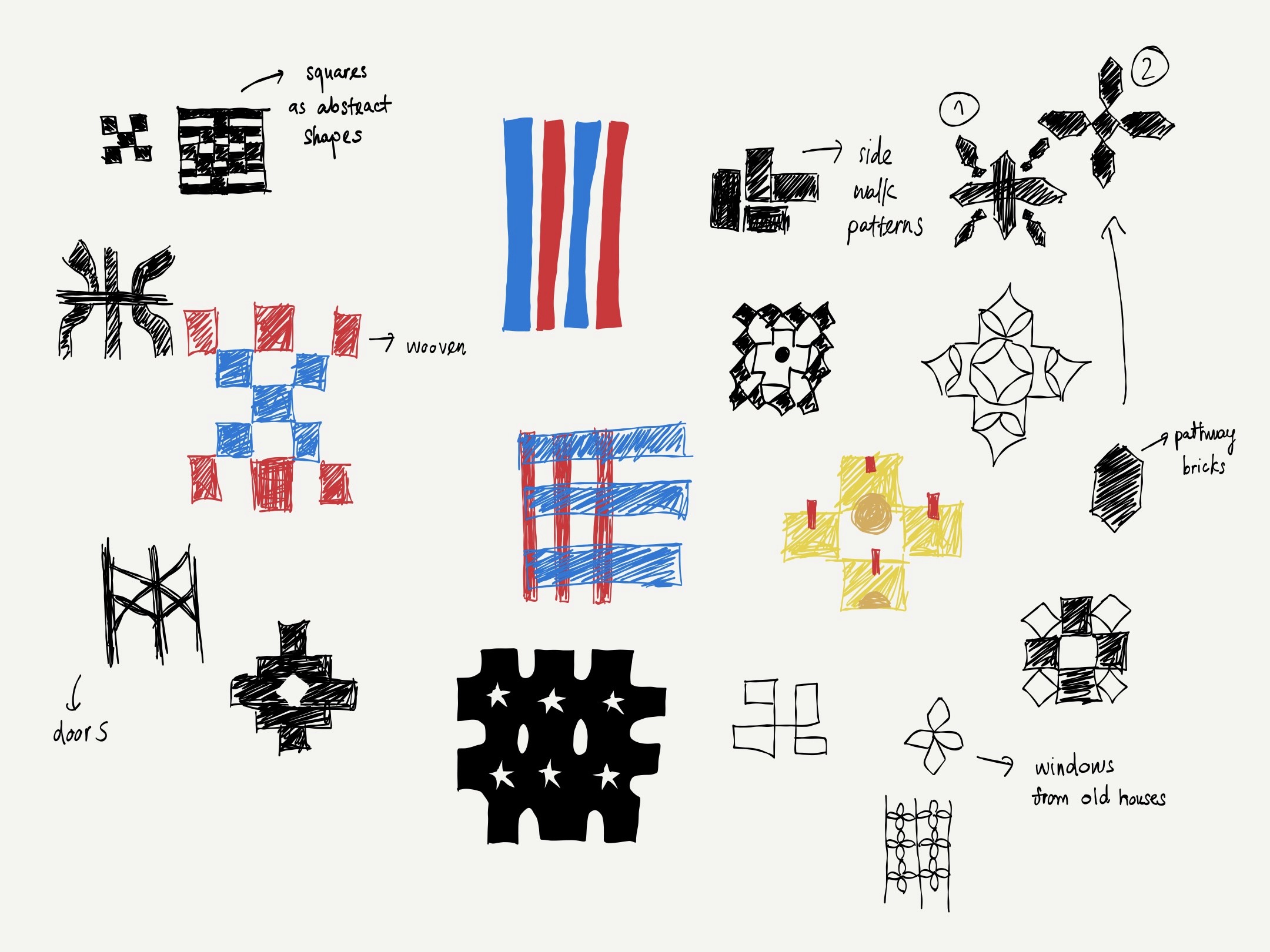
I tested how simple shapes can form patterns that feel abstract at first, but reveal familiar street objects when looked at more closely. This mirrors how everyday meanings in Hanoi are often subtle and learned through repeated observation.
✍️ Everyday Hanoi street culture is abstracted into simple shapes and patterns.
RESULT & REFLECTION
Based on the moodboard above, I began sketching initial compositions as background foundations, with the intention to further develop them in the following week.
PHOTOGRAPHIC & ILLUSTRATION BASED
TEXTURE & PHOTOGRAPHIC BASED

PATTERN EXPERIEMENTS
SET OF PHOTOGRAPHY
✍️ This was used purely to sense the overall vibe and colour palette, not as a direct visual reference for later experiments.
