

01
PLANNING
One thing that surprised me during this week’s preparation was how much it was shaped by my everyday habit of scrolling on social media. Because of this, my research approach shifted towards finding sources that were less academic and more relatable, especially those that reflect how young people engage with trends today.
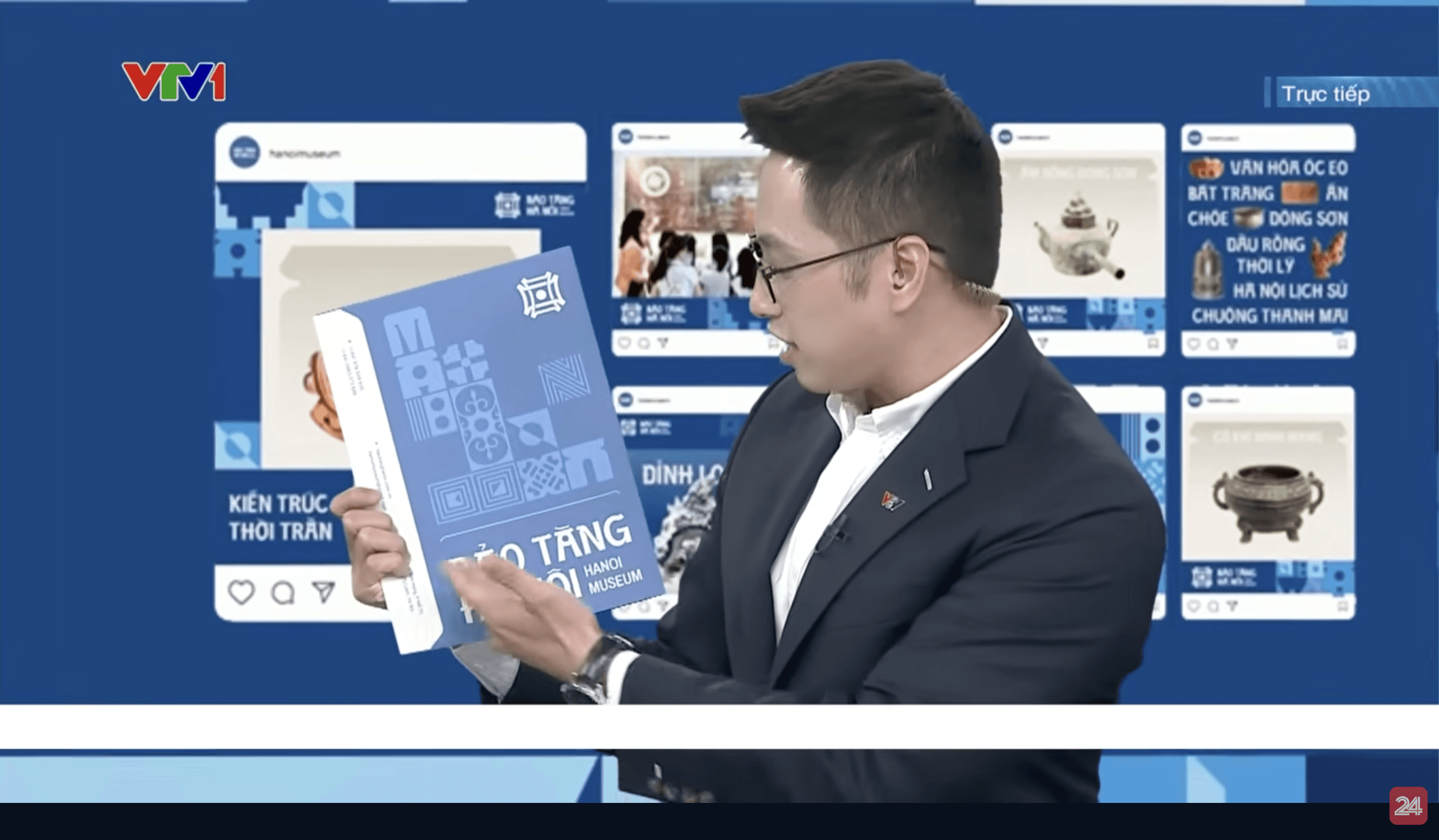
👩💻 While scrolling, I came across a TikTok video of a street vendor who speaks both English and Japanese fluently. The video later appeared in news coverage as well.
It reminded me of the keywords cultural identity and social identity that I found last week, and helped me see them in a more real and grounded way. For me, this also reflects a very Vietnamese way of learning, where language is picked up naturally through daily work and lived experience.
(VnExpress, 2023)
RESULT & REFLECTION
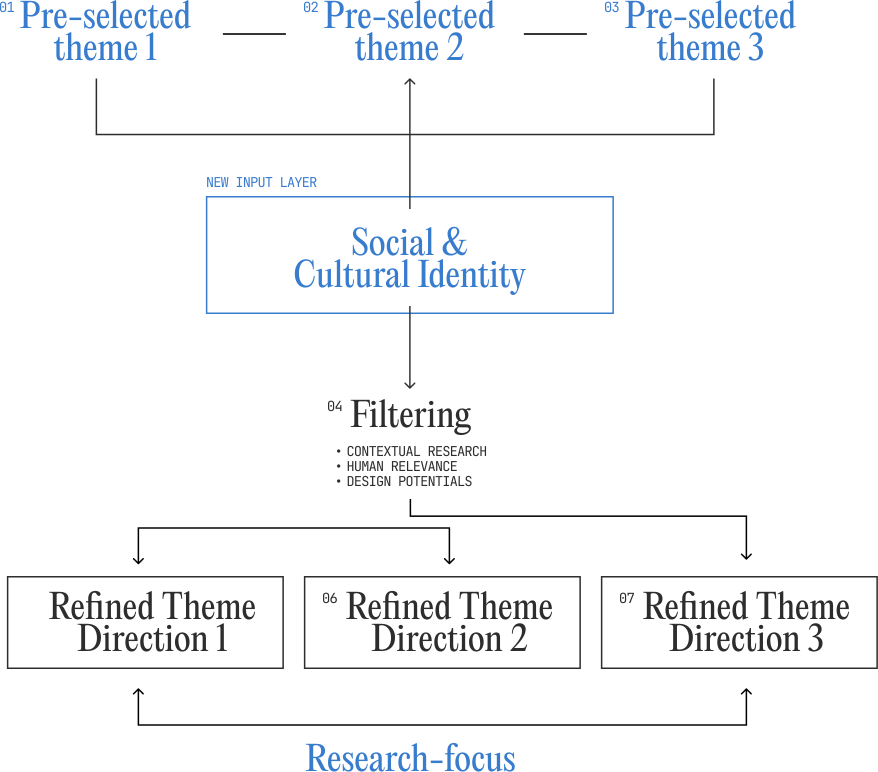
From this point, I pulled out a new plan for myself to look more closely at sources related to cultural and social identity. The aim was to check which parts of my theme could be refined further, and to notice what elements I had not paid enough attention to yet.
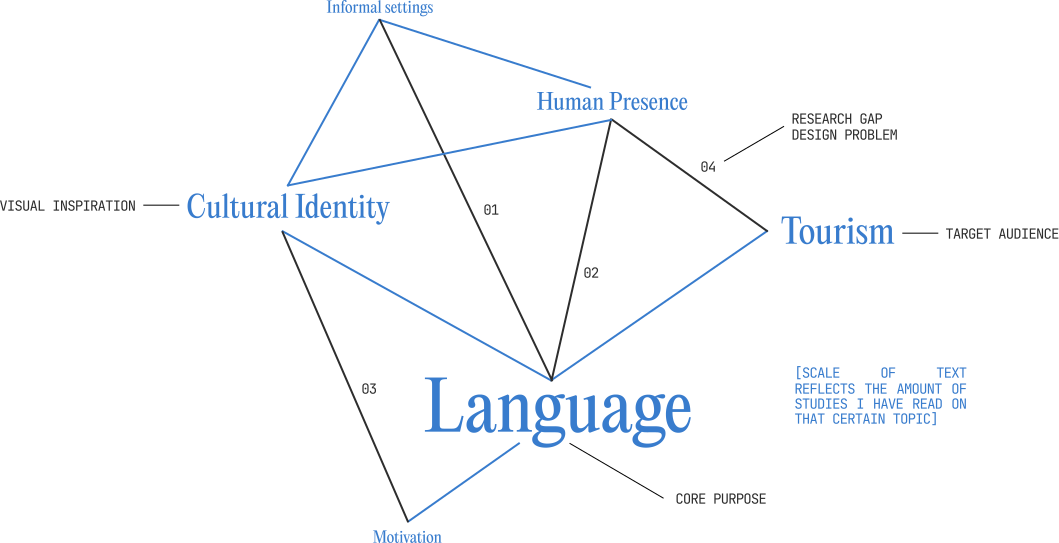
👩💻 This came from a positionality task in chi Ngoc workshop. I found it interesting and realised I could also apply it to my Creative Direction module.
Through this exercise, I became more aware that cultural identity is part of my own positionality. I’m naturally drawn to things that feel simple and understated but carry deeper meanings. This is a side of my work I hadn’t fully explored before, especially when I focused too much on frameworks and outcomes instead of recognising this as a value I can bring into the project.
02
RESEARCH & ANALYSIS
As planned, during this research phase I focused on sources that younger audiences are more familiar with materials that help popularise knowledge and offer more relatable insights around culture and language learning in Vietnam.
👩💻 To keep the scope manageable, I decided to limit my research to Vietnam. This also made the process more grounded for me, as many academic sources don’t fully translate when applied to the Vietnamese context.
To ease myself into the research, I started with cultural elements that feel familiar to most people. I was especially drawn to the idea of street vendors, which appeared in the first article I read. This helped me better understand how everyday cultural environments can shape the way people naturally learn and pick up languages.
READING MATERIALS
Source
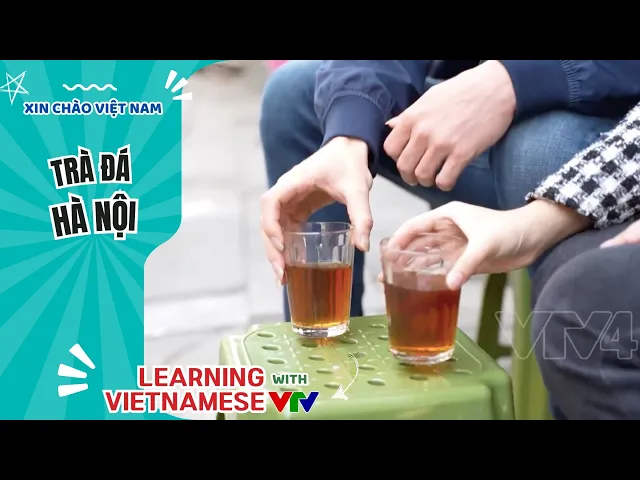
/Learning Vietnamese with VTV – “Tra da Ha Noi” (VTV4)
Keywords
/everyday language learning
/street culture
/spoken Vietnamese
This video explores how everyday street culture in Hanoi can function as a natural environment for language learning. By placing Vietnamese vocabulary and grammar within familiar social situations, language becomes something people absorb through daily interaction.
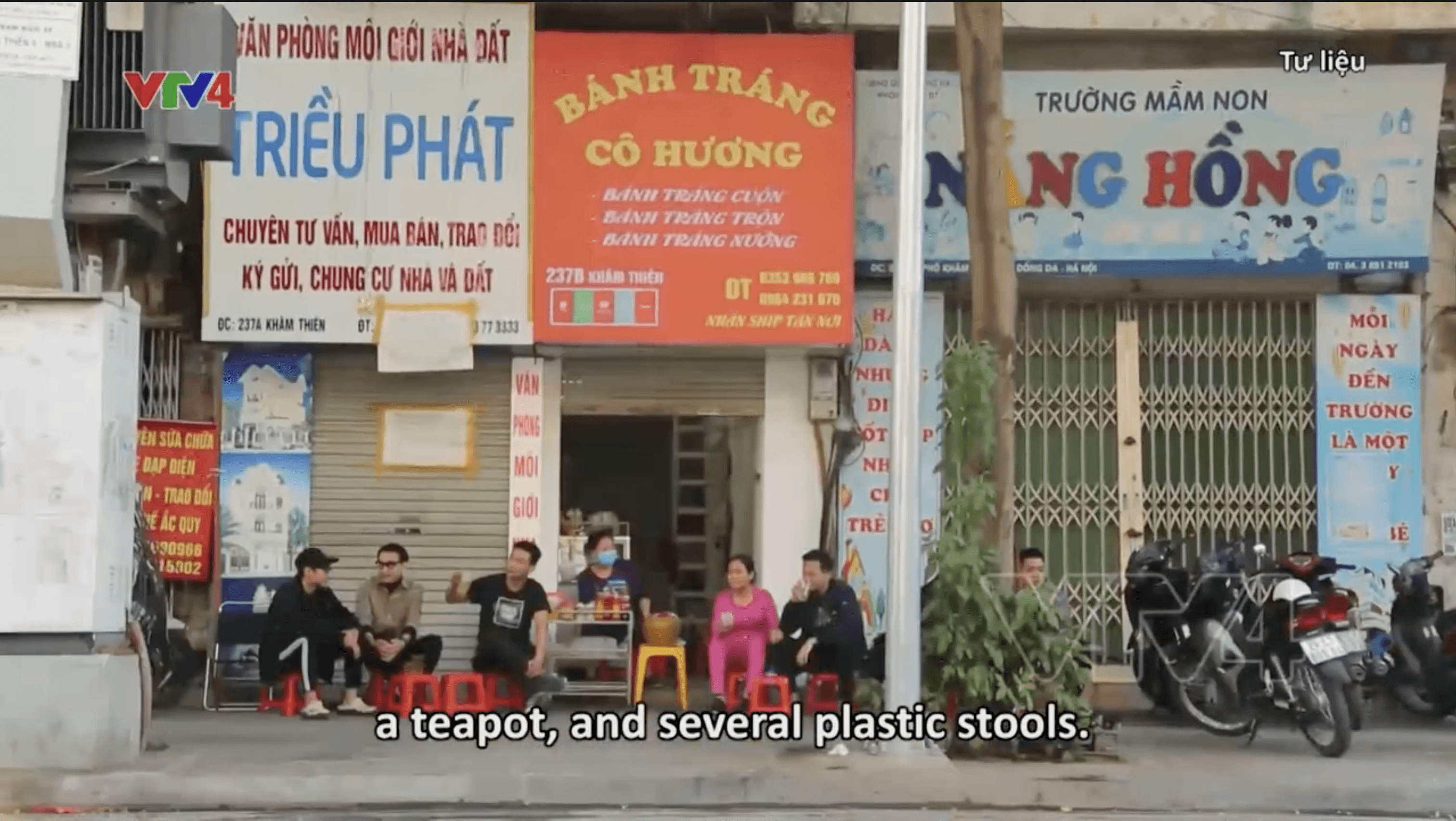
*SPATIAL CONTEXT
The sidewalk operates as a transitional space between private and public, where foreigners can enter without needing permission or prior knowledge.
✍️ Learning happens even with no proper curricular or institutions.
*SOCIAL CONTEXT
The video situates language learning within everyday routines such as ordering drinks, choosing snacks, or small talk. These informal interactions make Vietnamese feel practical and immediately usable, especially for beginners.
✍️ Familiar social contexts help learners build confidence.
*CULTURAL CONTEXT
Street vendors and local customers represent a shared cultural identity that learners can temporarily step into.
✍️ Belonging precedes fluency.
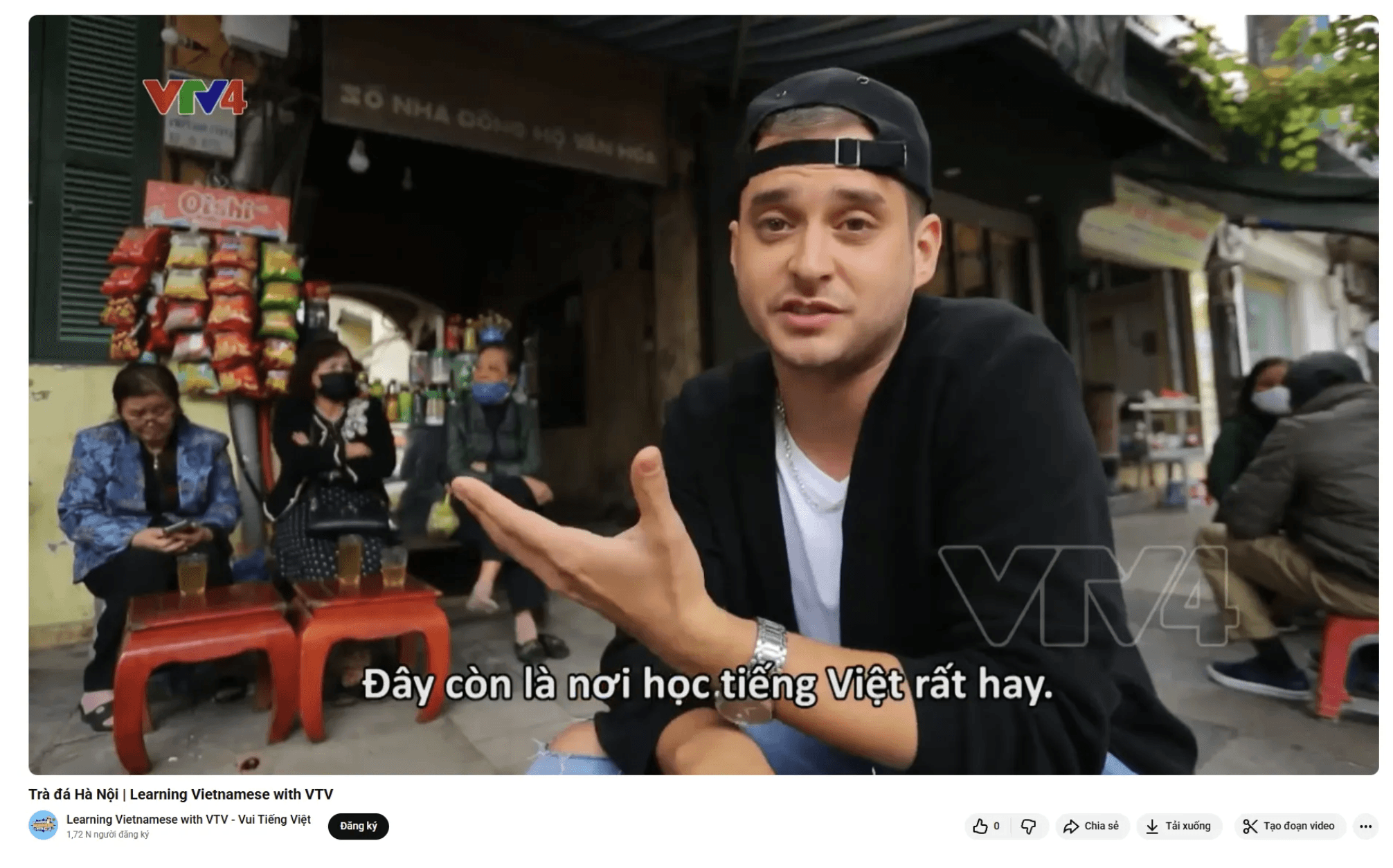
*FOCUSED SKILL
The video focuses on helping learners practice spoken Vietnamese in everyday situations. Learners are encouraged to speak through simple choices, responses, and short exchanges that naturally occur in the setting.
✍️ Speaking is developed through real use.
*LEARNING METHOD
Speaking is introduced through observation and low-pressure participation in a familiar social environment. Learners listen first, then respond based on context.
✍️ Meaning is learned through context and use.
👩💻 After watching this video, I became interested in how casual, everyday settings can create a warm and approachable way of learning a foreign language.
This led me to look more closely at 'iced tea' culture and question whether it is specific to Hanoi or shared more broadly across Vietnam, in order to further narrow down my project scope.

Source
/Hoc vien Bo va Gau – Tra da via he – De che ghe nhua thong tri duong pho (YouTube)
Keywords
/street culture
/low-cost business model
/informal gathering space
/urban micro-economy
This video explores the sidewalk iced tea culture in Vietnam as both a living cultural practice and a surprisingly resilient micro business model. It highlights how this culture thrives due to minimal investment, high profit margins, and natural foot traffic, while also functioning as a public space where people from all walks of life meet, talk, and relax.
*REGIONAL CULTURAL
SYSTEM
This culture is not evenly distributed across Vietnam; it is strongly rooted in Northern habits and climate.
✍️ Cultural identity is shaped by regional conditions.
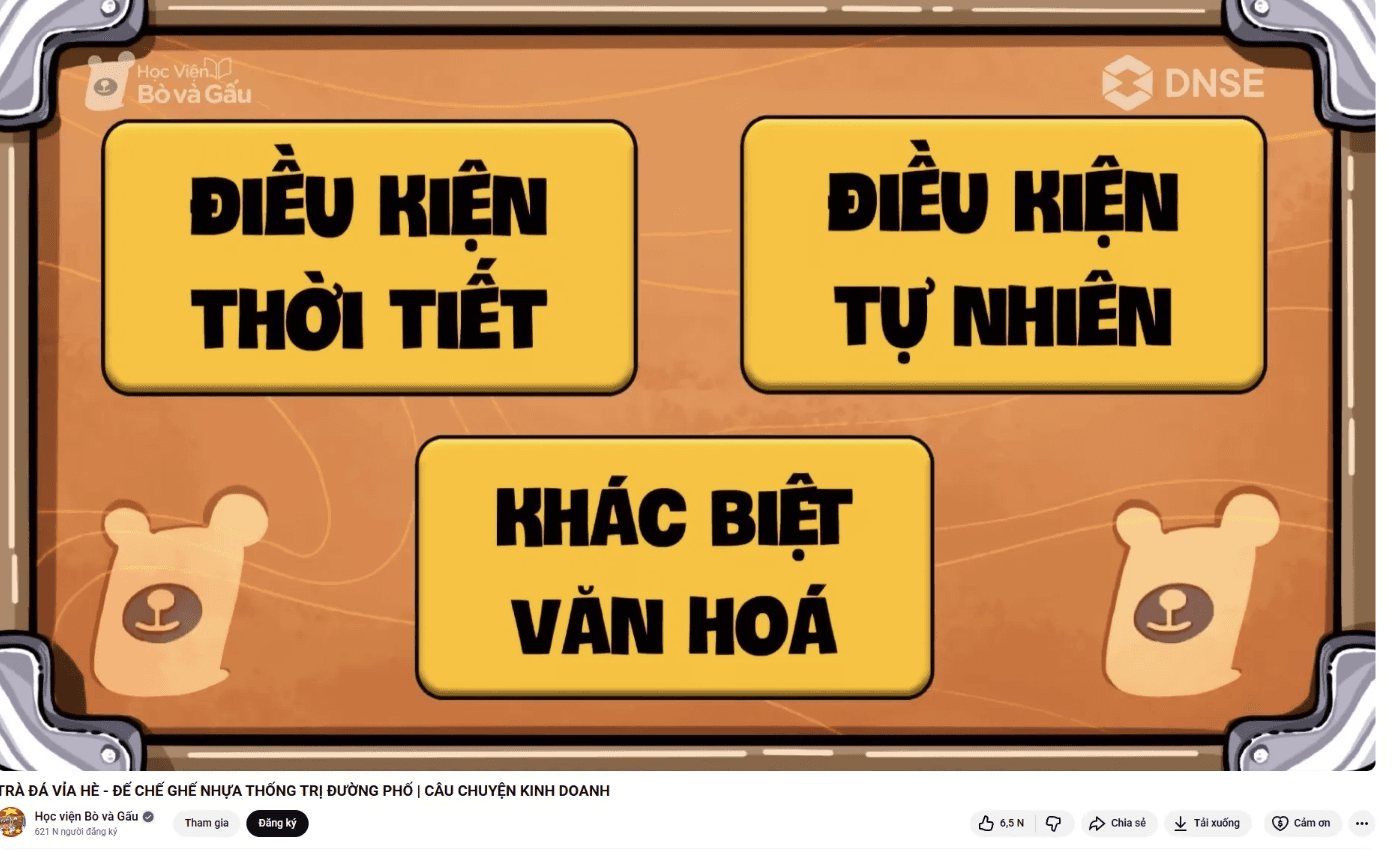
*Extreme Simplicity
Enables Longevity
The business survives because it requires almost no infrastructure, branding, or promotion. Low cost and fast return make iced tea highly adaptable and resilient. Its informality allows it to exist alongside, not in competition with, formal cafés.
✍️ Informality is not a weakness but a strategy that allows cultural practices to sustain over time.
*Social Equaliser
The same plastic stools are shared by people of very different backgrounds. There is no expectation of performance, consumption, or status.
✍️ It creates a rare social space where hierarchy is temporarily suspended.
*Instability as a
Constant Condition
Legal uncertainty, weather, and competition are always present. Despite this, the model continues to reappear after every disruption.
✍️ Cultural practices persist not because they are protected, but because they are necessary.
RESULT & REFLECTION
From these insights, I realised that many important perspectives had been overlooked like chi Ngoc said. While most people genuinely want to learn a foreign language, motivating them to choose and commit to learning with me is a separate challenge.
👩💻 I cannot force people to learn through a conventional curriculum, especially when it struggles to compete with other, more immediate alternatives.
I also realised that language learning in Vietnam is highly practical. Although self-learning is common, meaningful learning cannot be forced through rigid structures alone.
👩💻 At this stage, I still do not have a fully refined theme.
However, one key takeaway is that learning can become less formal and less academic in order to be more engaging. It does not have to be a solitary process. Like trà đá, learning can happen naturally through conversation, shared presence, and everyday interaction as a form of social survival.
03
PRACTICES & DEVELOPMENT
On the development side this week, I'm continuing to polish the website and build more animation components for my Process Journal. The theme still needs quite a bit of tweaking, so it's not fully sorted yet.
TUTORIAL LIST
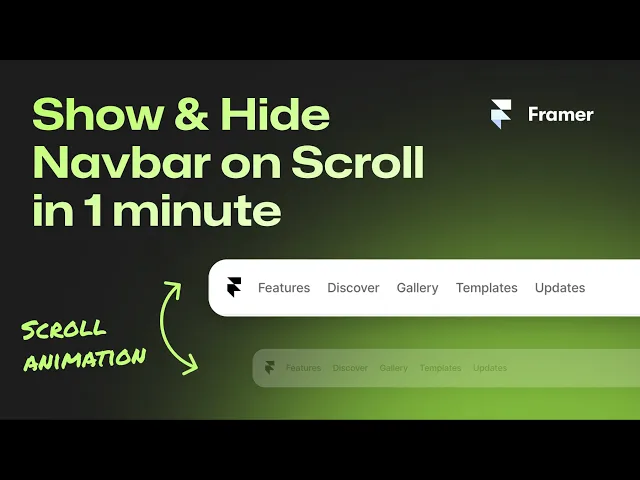
(Toni Järvinen - Design Tutorials, Show & Hide Navigation bar on Scroll - Framer no-code tutorial)
✍️ How to create a smooth "show & hide" navigation bar that appears/disappears on scroll. Perfect for cleaner, more dynamic website experiences.
(Ryan Hayward, Scroll Variants Made This POWERFUL Framer Effect - Tutorial)
✍️ How to change color variants on scroll to make the website more intriguing and dynamic.
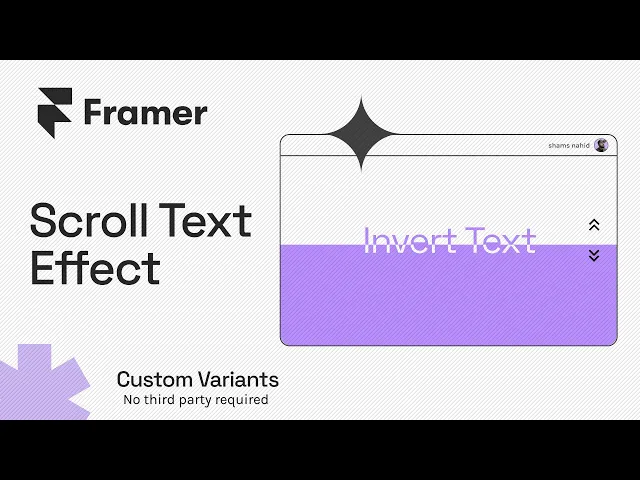
(Shams⚡️Nahid, Scroll Text Invert Effect using Framer | 1 Minute Challenge)
✍️ How text can change state through scrolling to create emphasis.
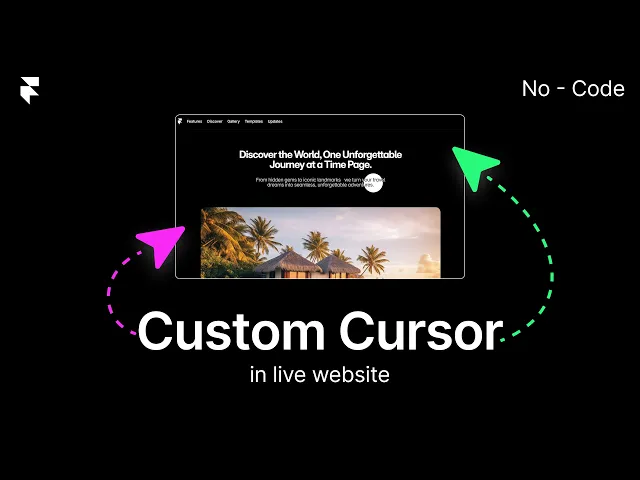
(Edge Dot Design, How to make custom cursors in Framer | Beginner tutorial)
✍️ How to implement a custom cursor in Framer to guide user attention and enhance interaction.

(Framer University, This 3D Hover Will Make Your Portfolio Stand Out - Framer Tutorial)
✍️ How to custom 3D hover effect to make the site more fun to navigate.
RESULT & REFLECTION
Even though I tried my best, I only managed to finish the layout for Week 1 this time. I'm now prepping these component sets to turn them into the official final website.
👩💻 To balance readability, I chose animations that aren't too advanced or flashy, nothing that would distract the user.
Almost all elements are designed using embedded objects, giving a slight 3D depth that makes them feel more real without overwhelming the base layout.
