01
PLANNING
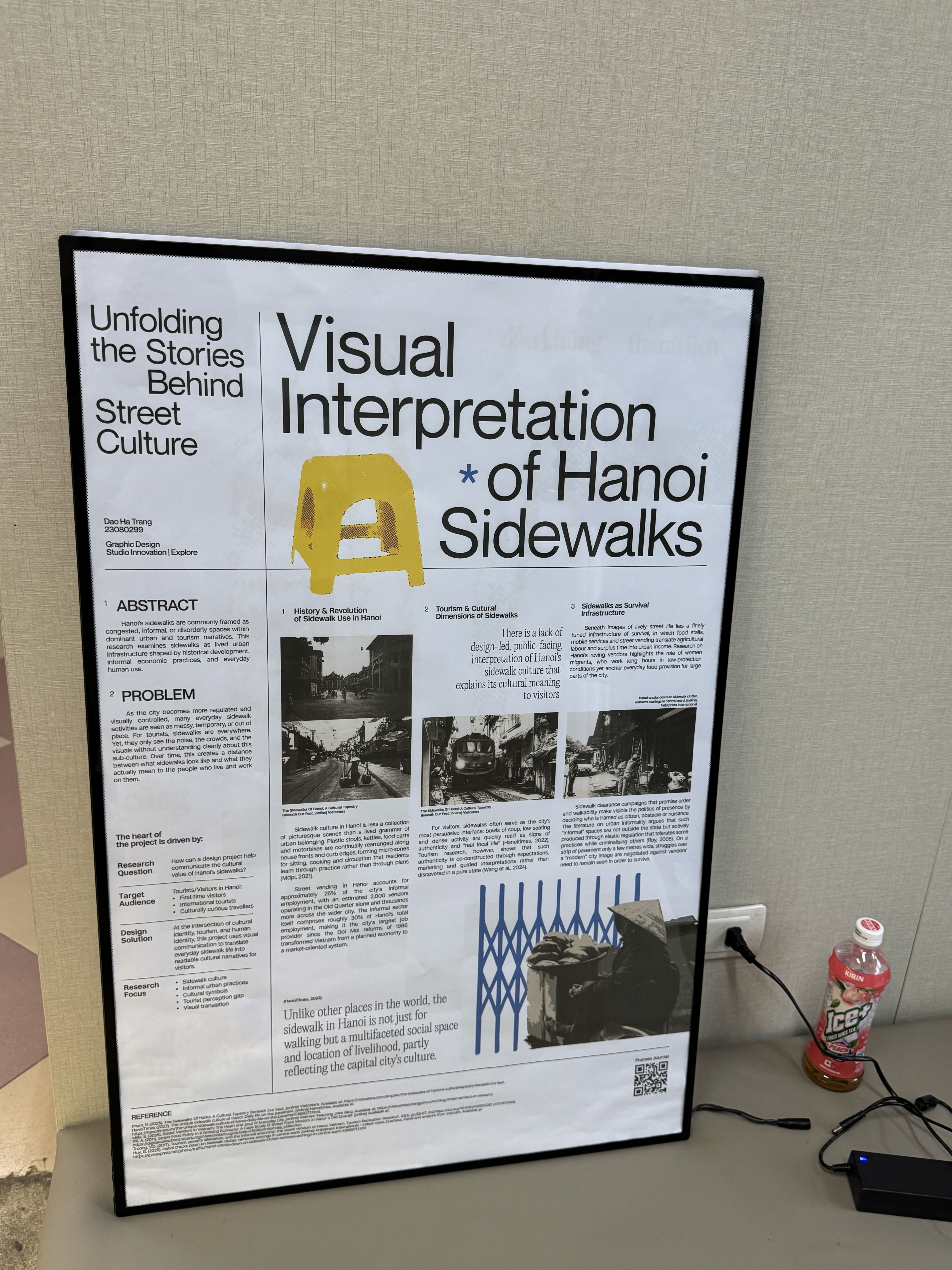
Building on the outcomes of the previous week, this week focused on refining the research poster based on the draft version and preparing it for adaptation into an LED-panel format.
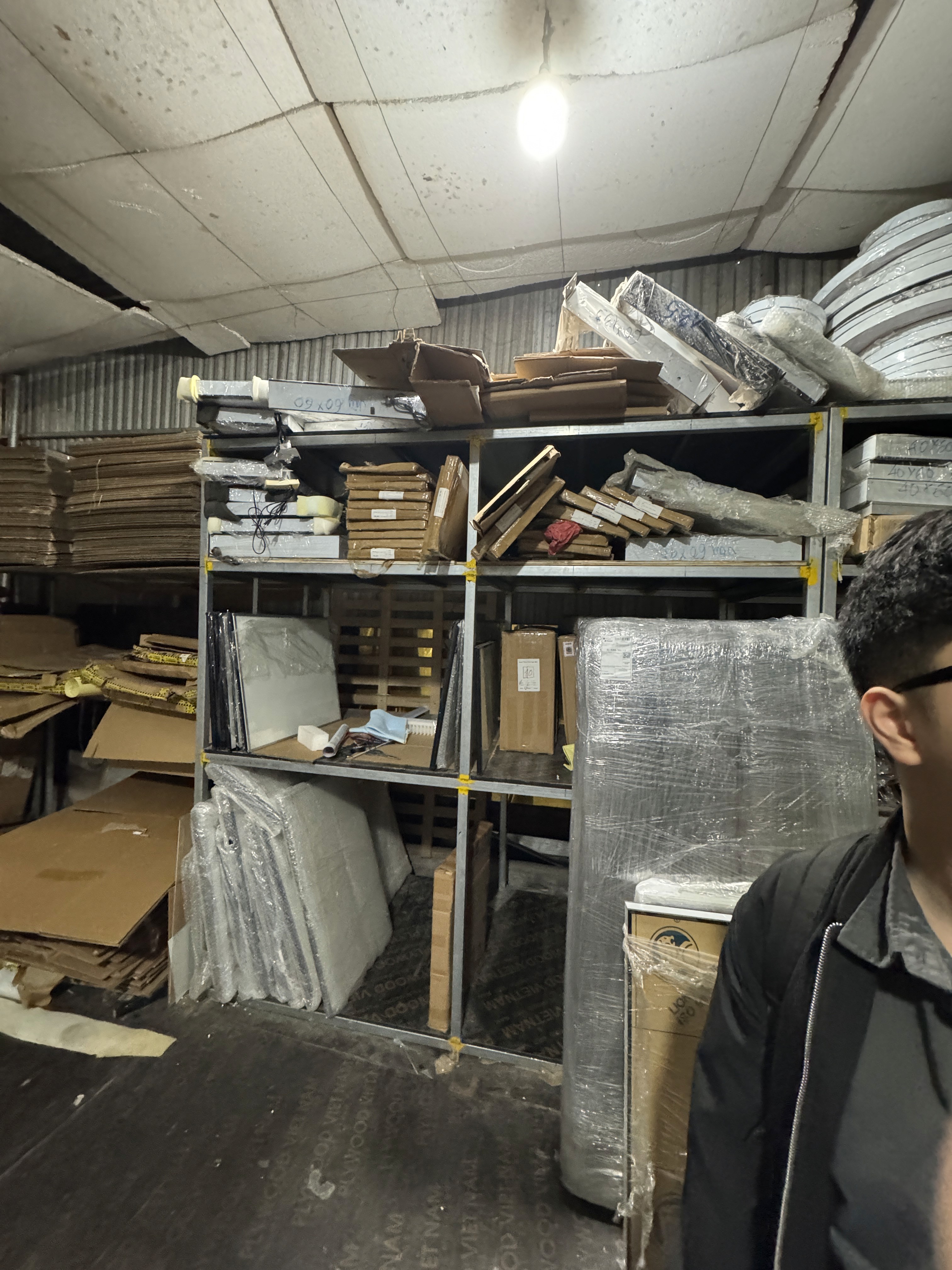
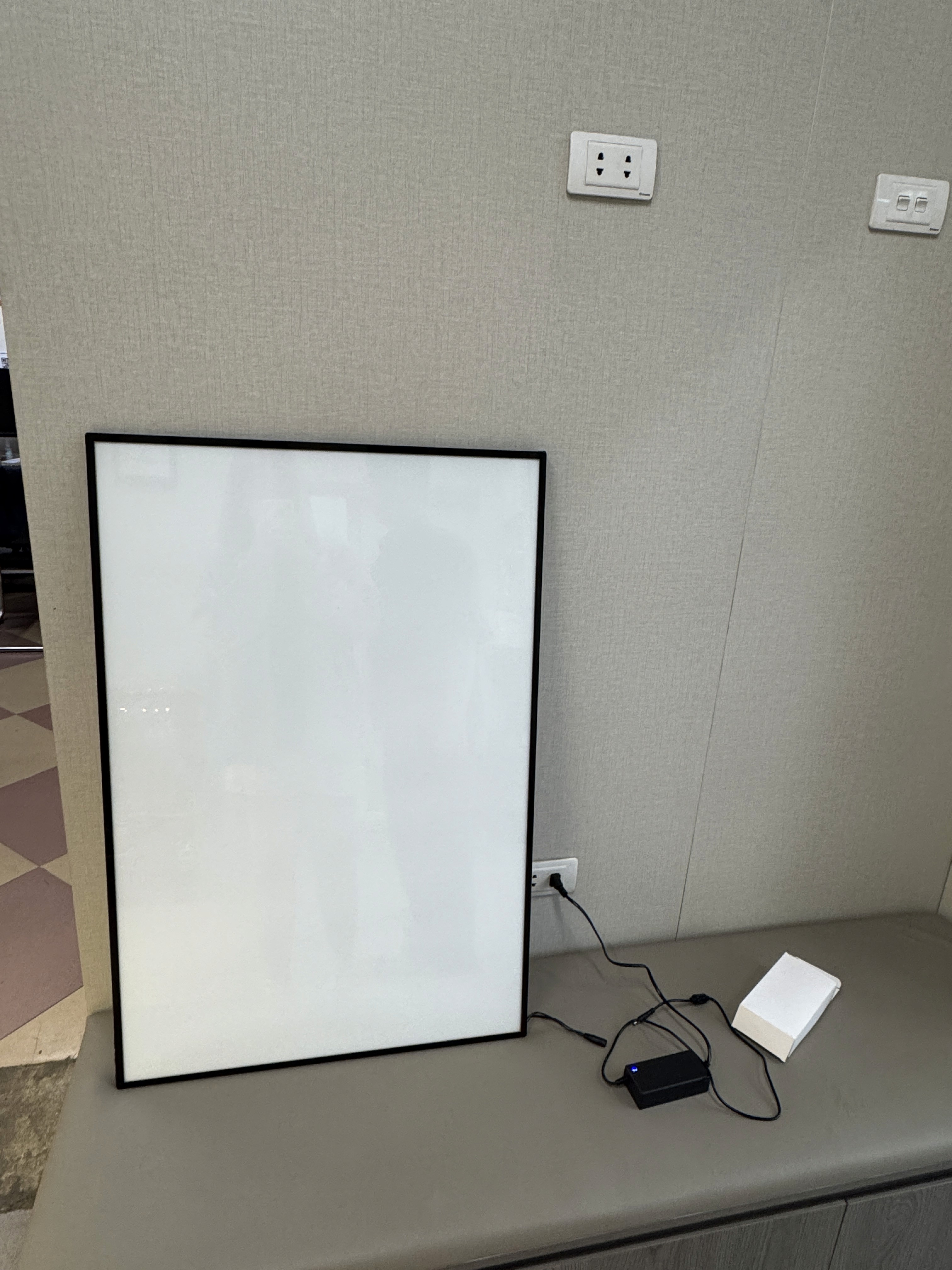
👩💻 At the start of the week, I visited a local supplier to look for a LED panel for the research poster. Unfortunately, none of the stores I visited had an A1-sized panel available.
The only option offered was a 60x90 cm panel, which meant I had to adapt the poster to this size. Based on the seller's guidance, I adjusted the layout to fit the available size and worked within the technical constraints.
👩💻 The seller also explained the paper options commonly used with LED panels. He mentioned a type of paper called 'backlit', which is designed to allow light to pass through evenly.
However, my intention was to use the LED panel to reveal a hidden layer behind the front one; therefore I was unsure whether this approach could work.
After further discussion, he confirmed that the same effect could be achieved using thinner papers. But using thinner paper could be difficult in practice, as it would need to be handled carefully to avoid wrinkling.
02
RESEARCH & ANALYSIS
Since I am printing on thin paper, I explored alternative printing methods based on the technician’s recommendation to avoid ink bleeding and material damage.
Source
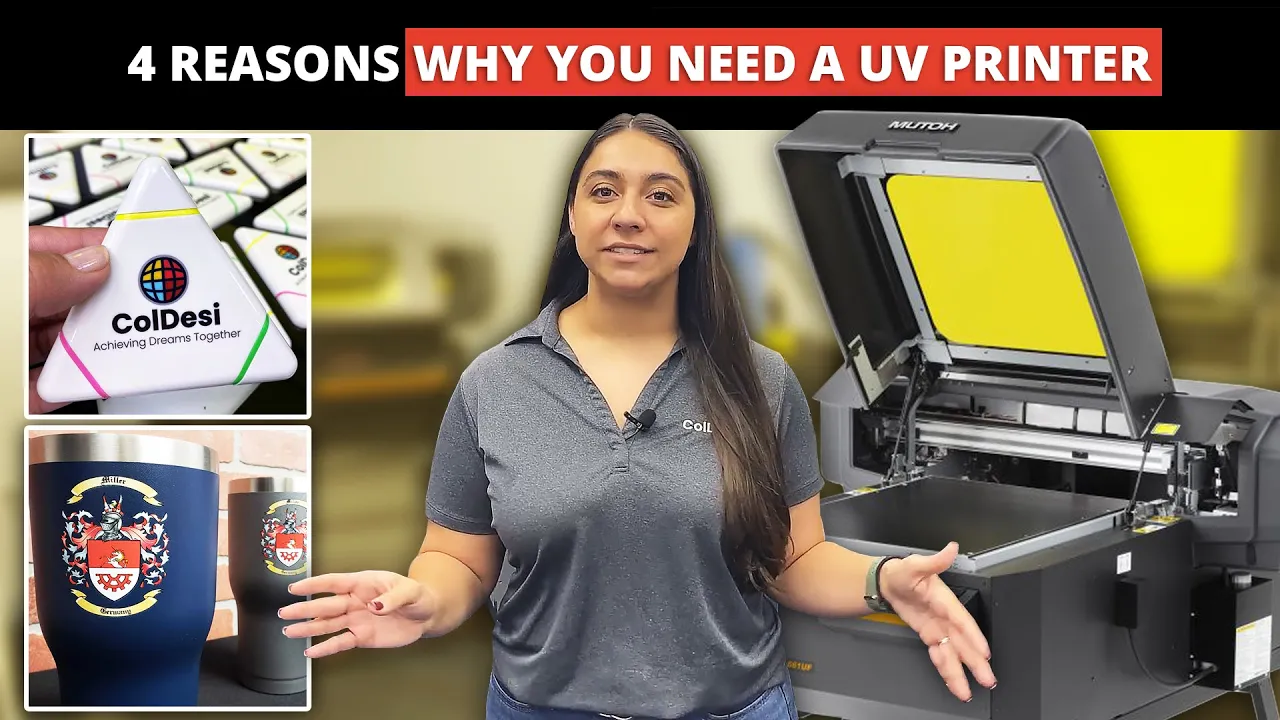
ColDesi Inc – 4 Reasons Why You Need a UV Printer (YouTube)
Keywords
/high-quality print
/texture printing
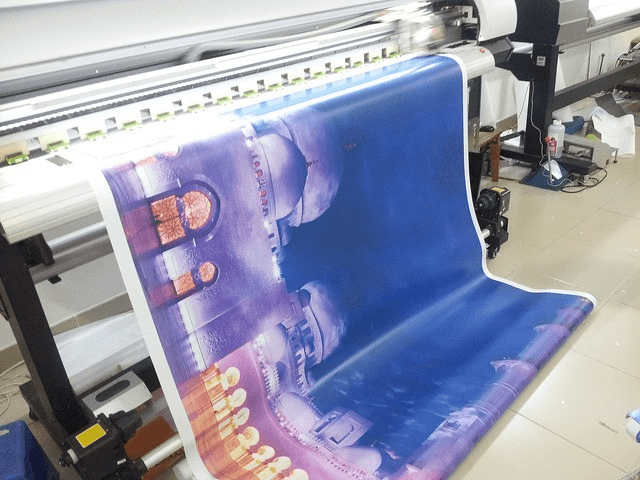
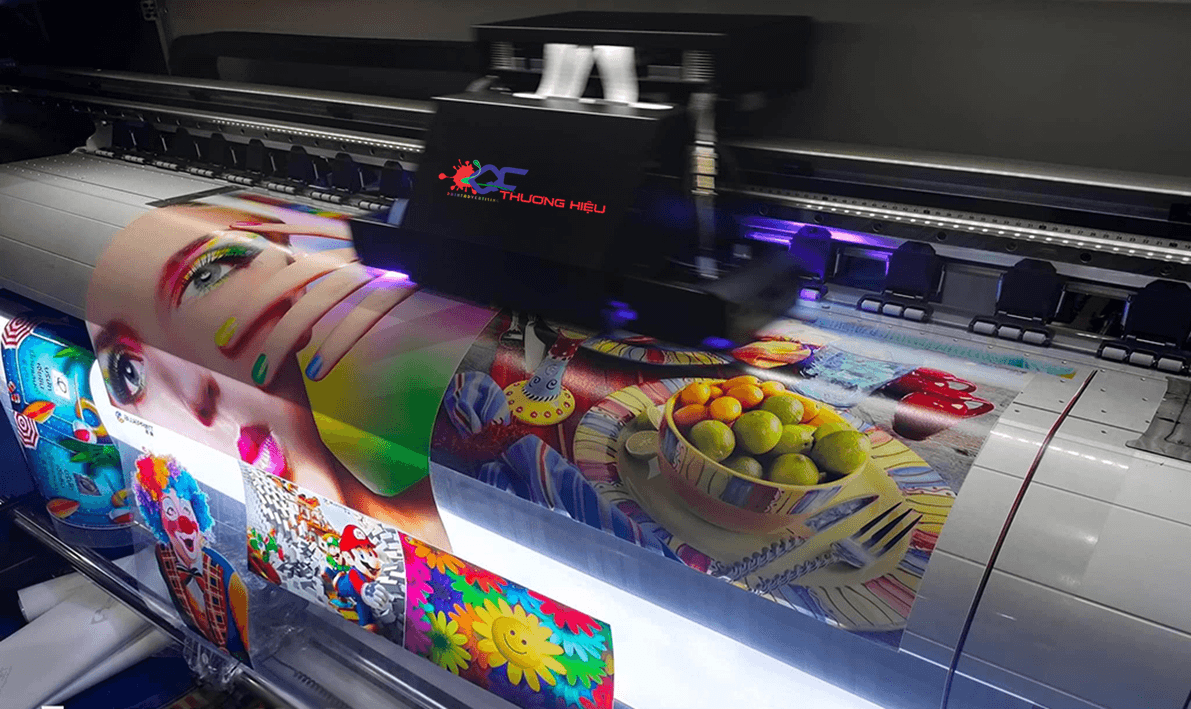
The video outlines four key benefits of UV printers: they can print on many different materials, allow multiple designs to be printed in one run, dry ink instantly using UV light, and produce high-quality outputs including textured and raised effects.
*PRINTING TECHNIQUE
UV printing allows designs to be printed directly onto a wide range of materials, with instant curing and high detail, making it suitable for textured, layered, and experimental surfaces.
✍️ UV printing enables material-led experimentation.
*WHY IT WORKED
UV ink cures instantly on the surface instead of soaking into the material, which allows it to print cleanly on thin and semi-transparent paper without bleeding, warping, or losing detail.
✍️ Surface curing makes UV printing suitable for thin and see-through materials.
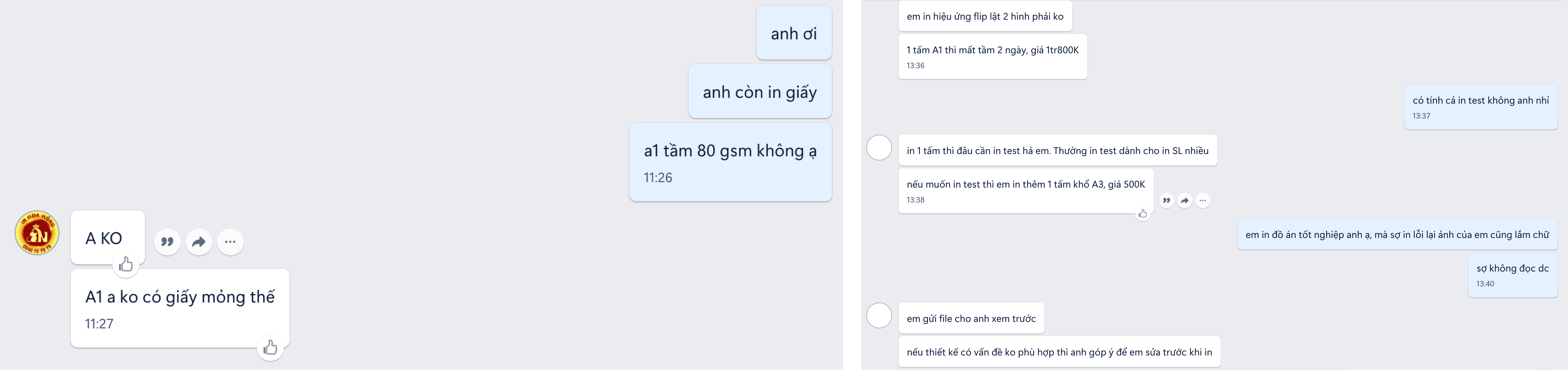
However, most print shops only offer thick paper, which would reduce the LED light-through effect I needed. Eventually, I found one shop that could support thin paper, but I had to visit in person to test the print quality.
RESULT & REFLECTION
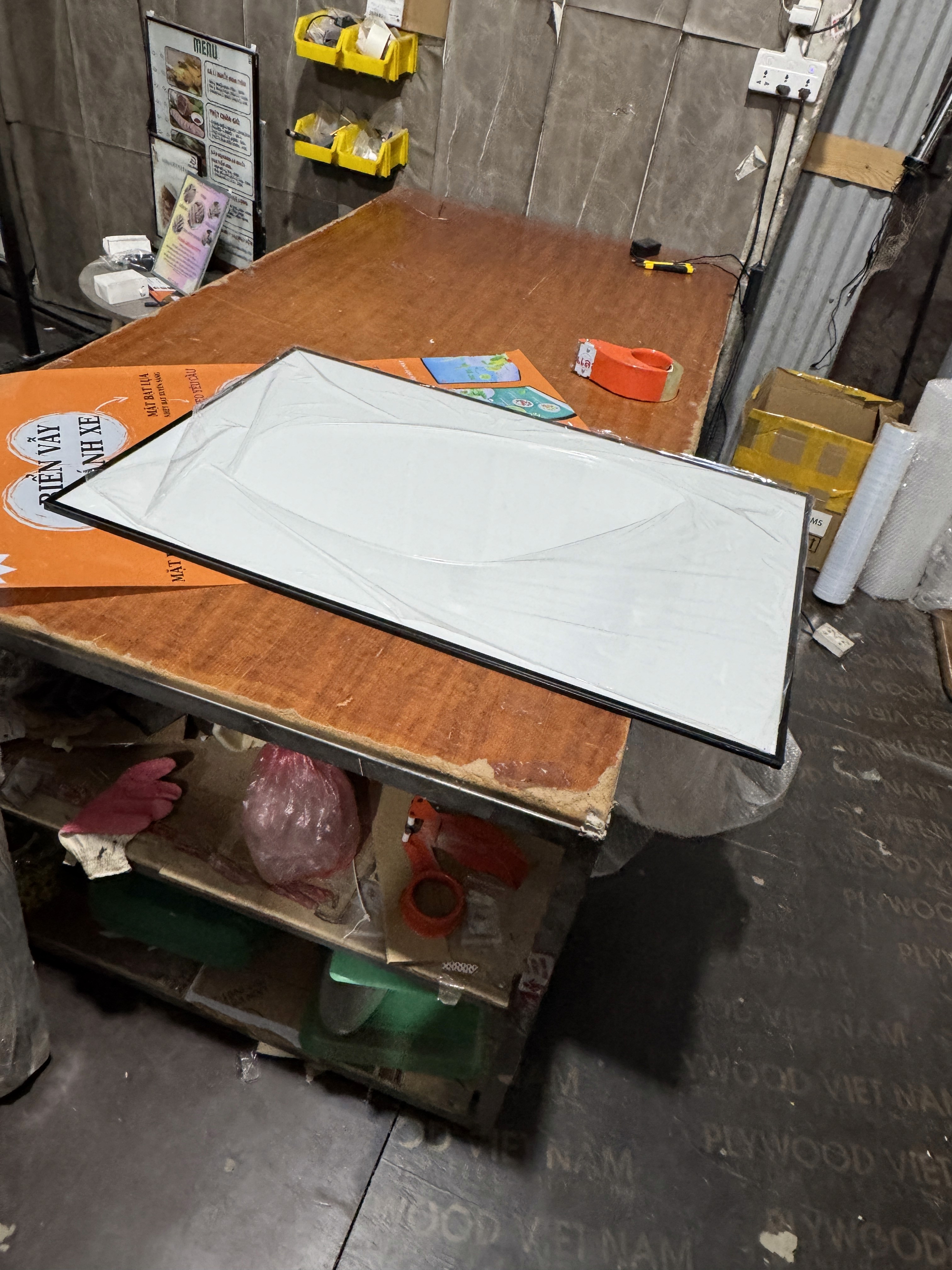
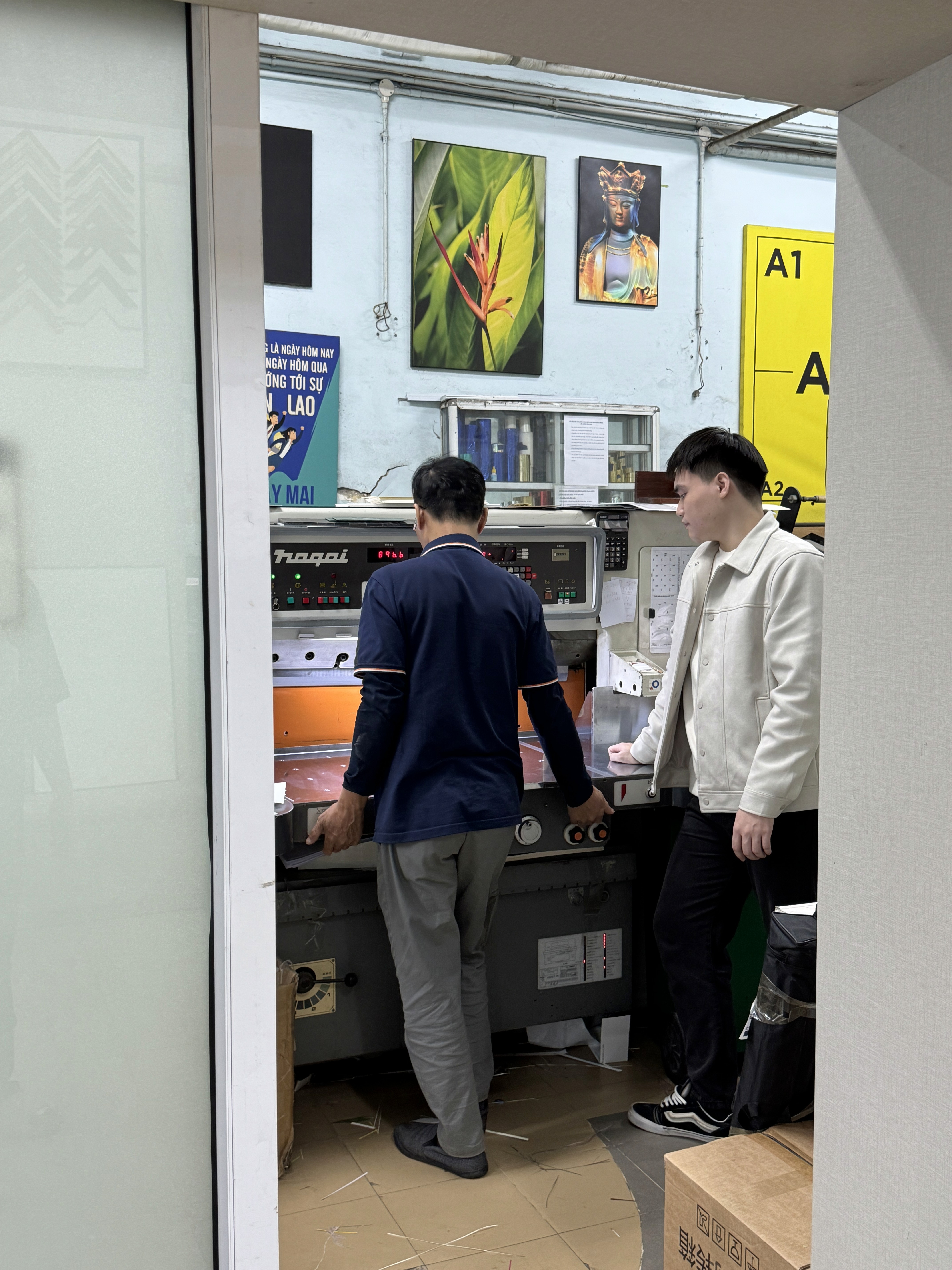
In the end, I successfully printed the poster at this shop. The technician helped trim the excess edges, as the actual size needed to fit the frame was smaller than 60×90. Because the paper was extremely thin, he also assisted with mounting it into the frame to avoid wrinkles and complete the research poster properly.
03
PRACTICES & DEVELOPMENT
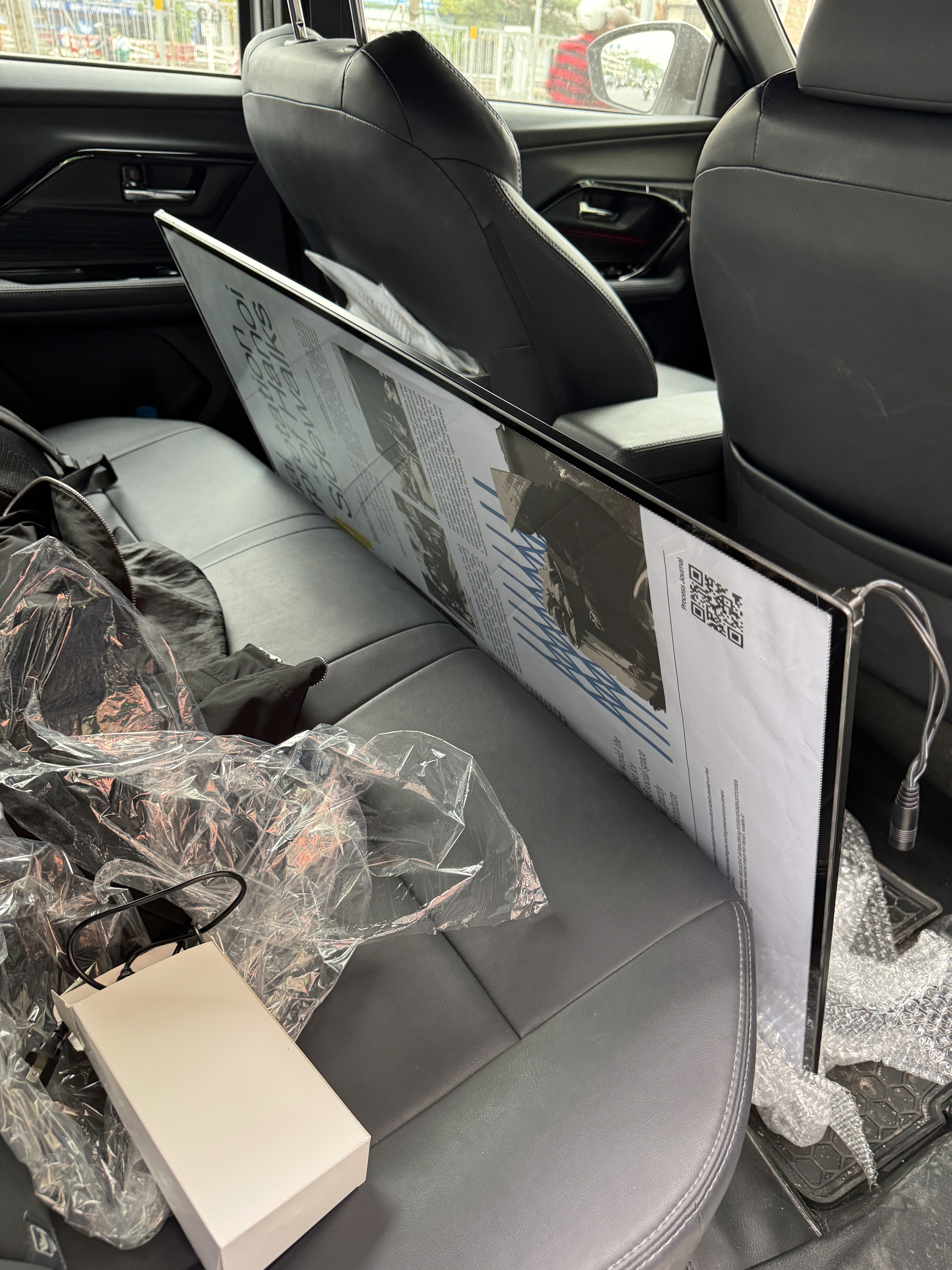
The next challenge was transportation. Because the frame was large and heavy, I could not carry it by motorbike and needed my dad’s help. During the trip back from the print shop, it fell a few times, so I had to add extra bubble wrap for protection.
This became an important insight, as it helped me plan how to transport and place the framed poster safely for next week’s presentation without damaging it.
RESULT & REFLECTION
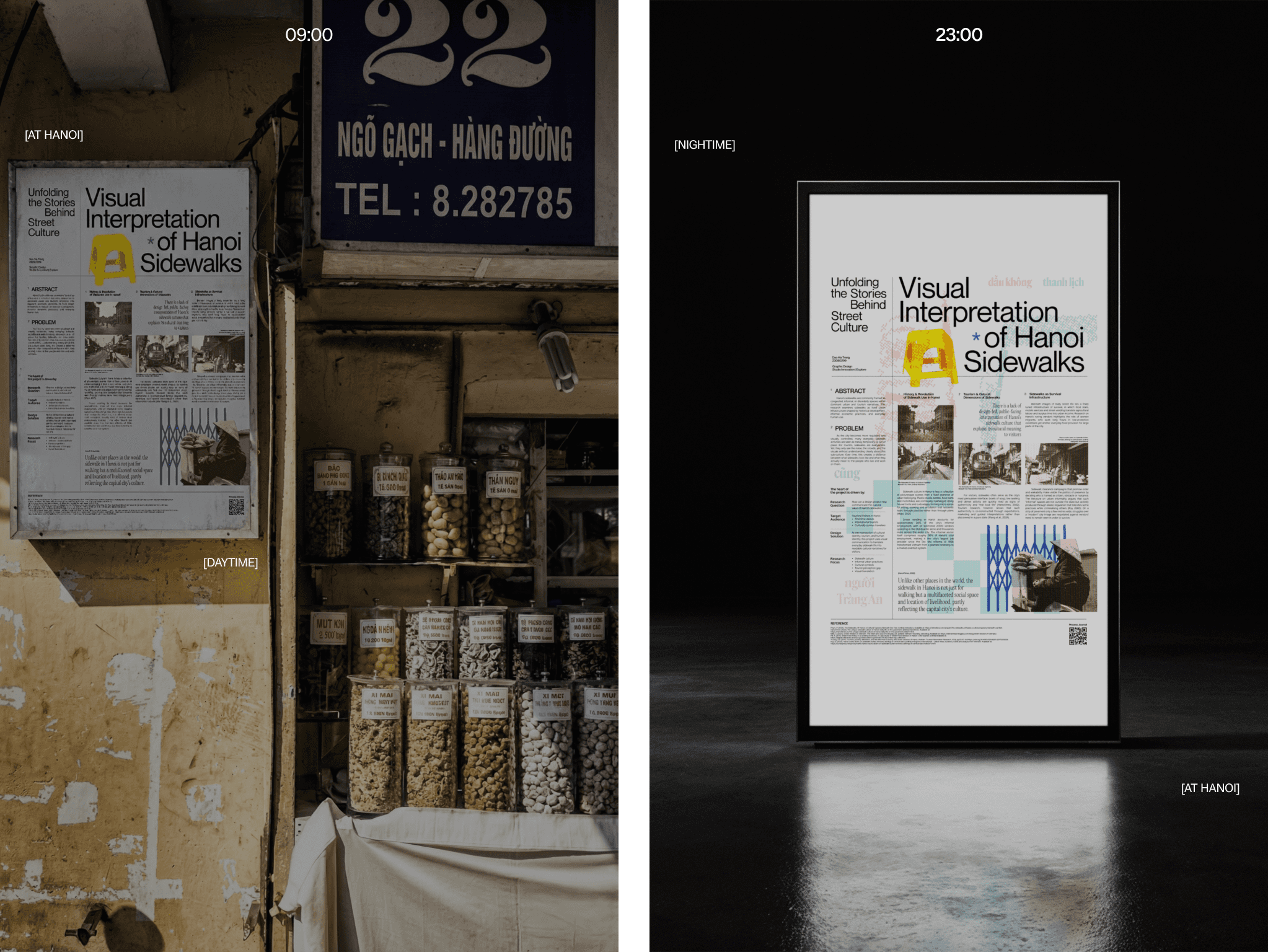
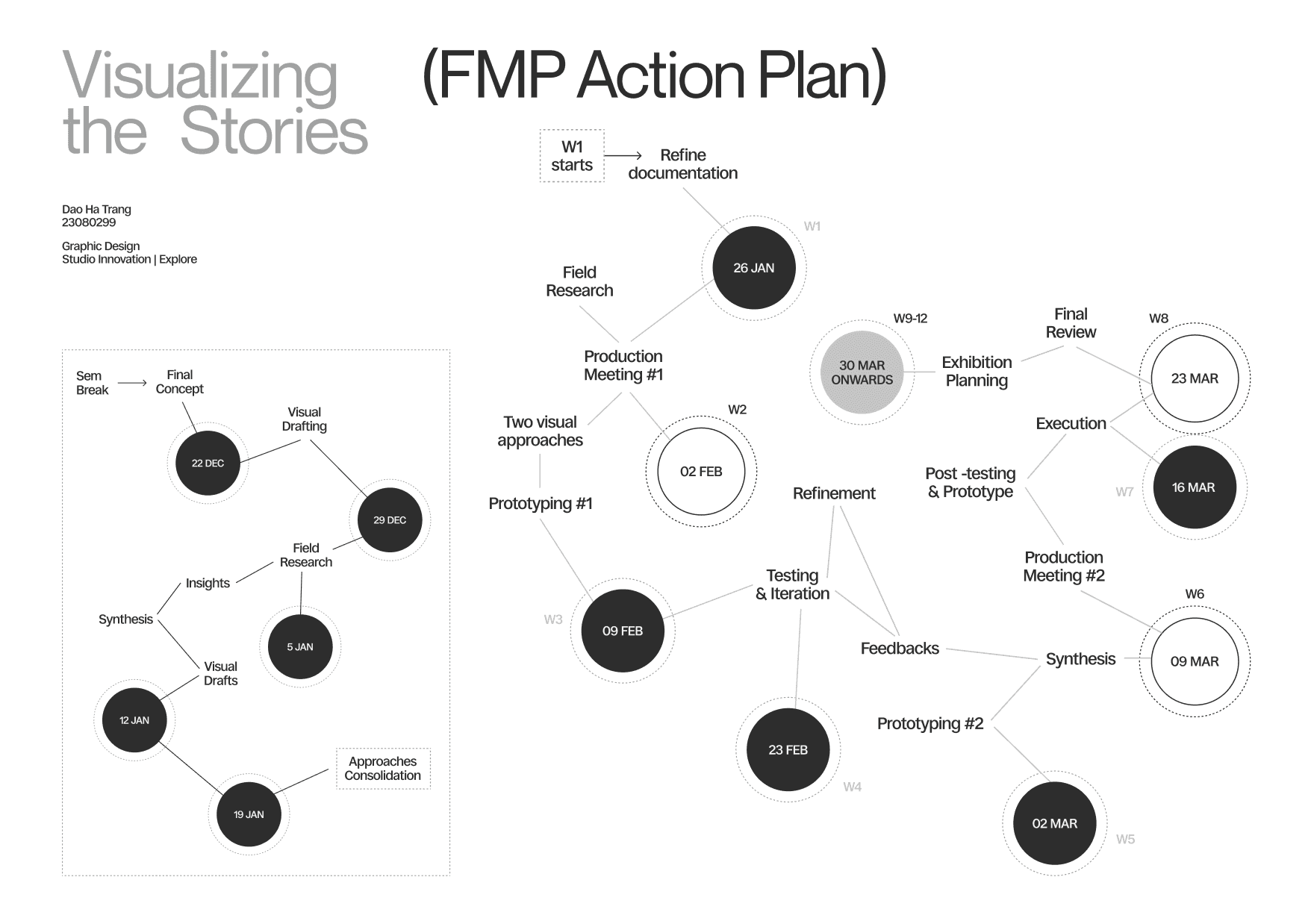
The final step was applying this into mock-ups and preparing the presentation files and supporting materials for the production meeting in Week 12.
04
REFLECTION
*ABOUT PROJECT DIRECTION
Although I felt confused at the beginning and changed directions multiple times, the project gradually came together and now has enough clarity and structure to be realistically executed.
✍️ The direction became clearer through iterative testing.
*ABOUT PROJECT MANAGEMENT
I fell slightly behind schedule, but still managed to complete the work at a reasonable level. I am not fully satisfied, but I am also not disappointed with the outcome.
✍️ Time and task management need to be handled more carefully.
*ABOUT OVERALL RESEARCH
I spent too much time on academic research and overlooked other equally important aspects of the project. When research became excessive, the project felt more confusing. In contrast, vlogs and informal materials provided clearer and more relevant inspiration.
✍️ Do not over-prioritise academic research.
*ABOUT VISUAL EXPLORATION
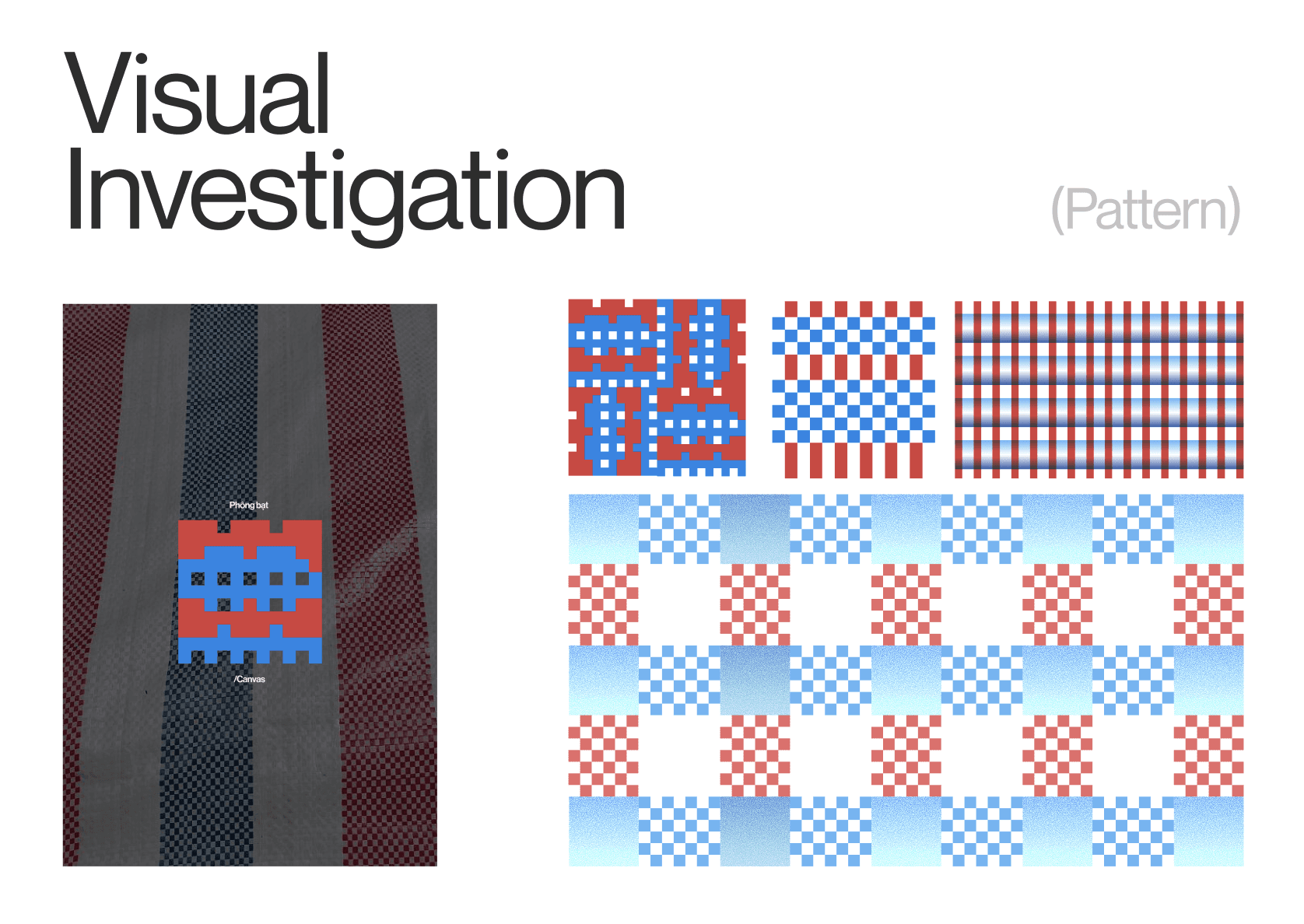
I experimented with multiple visual approaches. The lighting experiments stood out as one of the strongest directions, but they still need further development to become more consistent and less visually messy.
✍️ Hands-on experimentation revealed stronger insights.
*NEXT STEPS
During the break, I will continue developing the existing visual system and focus on collecting more first-hand, experiential insights, as the secondary research is already sufficient.
✍️ The next phase will prioritise refinement and first-hand observation over additional research.